Conduit and Raceways
Summary
Raceways are enclosed channels for conductors, including electrical metallic tubing (EMT), rigid metal conduit, rigid PVC conduit, flexible conduit, wireways, and surface raceways, joined with boxes for pulling, splicing, and devices. Conduit routes cross every trade, so main feeder paths, slab and underground duct banks, rated wall penetrations, and exposed conduit in finished spaces must be coordinated.
Cols
Terminology
- EMT: thin-wall steel tubing; most common indoor commercial raceway
- RMC: heavy-wall threaded rigid metal conduit for exposed, outdoor, and hazardous locations
- IMC: intermediate metal conduit, lighter than RMC
- PVC (rigid nonmetallic): used underground, in slabs, and in corrosive locations
- FMC / LFMC: flexible metal conduit and liquidtight flexible conduit for equipment connections
- ENT: flexible nonmetallic tubing
- Wireway / surface raceway: troughs and surface-mounted channels
- Duct bank: group of conduits encased in concrete underground
- Fill: percentage of raceway area occupied by conductors
Standards
Ratings
- Conductor fill limits per NEC Chapter 9 tables
- Raceway type limited by location: wet, corrosive, physical damage, plenums
- Penetrations of rated assemblies firestopped with listed systems
Test standards
- NFPA 70 (NEC): Chapter 3 raceway articles for each conduit and tubing type
- UL listings for each raceway type and fitting
Components
- Conduit and tubing: steel, aluminum, or PVC
- Fittings: couplings, connectors, expansion fittings, and bends
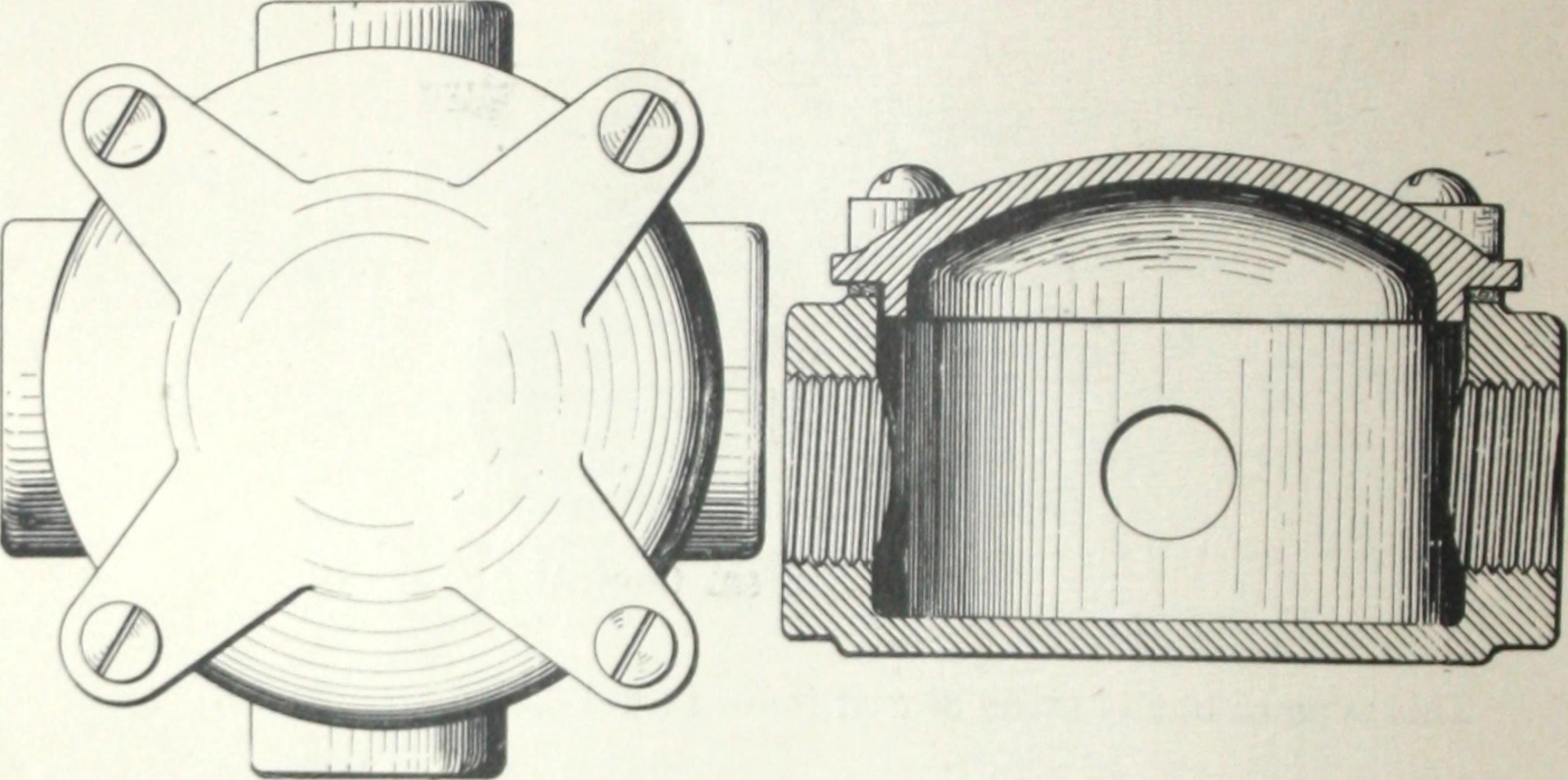
- Boxes: outlet, junction, and pull boxes
- Supports: straps, hangers, and strut
- Conductors: copper or aluminum building wire pulled after installation
Detailing
- Coordinate main conduit routes and pull boxes with structure and ducts
- Run conduit in slabs or underground in PVC where allowed; switch to rigid at transitions where required
- Provide expansion fittings at building joints and long exposed runs
- Firestop every penetration of rated walls and floors
- Paint or conceal exposed conduit in finished spaces; use surface raceway in renovations
Uses
Specific uses
- Commercial branch circuits and feeders
- Underground services and site lighting
- Exposed industrial and parking structures
- Healthcare and critical circuits
- Renovations with surface raceway
Pros and cons
Pros
- Physical protection of conductors
- Rewireable for future changes
- Metal raceways can serve as an equipment grounding path
Cons
- Higher labor than cable systems
- Takes ceiling and wall space
- Corrosion of steel conduit in wet or corrosive locations
Manufacturing and cost
Construction
- Conduit bent and installed during rough-in; conductors pulled after; boxes and fittings secured and supported
Main manufacturers and suppliers
Trade associations: NFPA and NECA.
Sources
- Sweets: Division 26 electrical (26 05 33 raceway and boxes), https://sweets.construction.com/BrowseByDivision/Electrical
- Newfoundland and Labrador: Division 26 master specification index, https://www.gov.nl.ca/ti/works/masterspec/div26
- Wikimedia Commons: Standard and water-tight boxes for all electrical installation purposes (1908) (14579695858).jpg, by Internet Archive Book Images (No restrictions), https://commons.wikimedia.org/wiki/File:Standard_and_water-tight_boxes_for_all_electrical_installation_purposes_(1908)_(14579695858).jpg