Transformers
Summary
Transformers change voltage between systems: utility pad-mounted liquid-filled units step medium voltage down to building service voltage, and indoor dry-type units step 480 V distribution down to 208Y/120 V for general loads. They are heavy, produce heat and hum, and need ventilation, clearances, and sound isolation, so their rooms, pads, and structural support must be located early.
Cols
Terminology
- Dry-type: air-cooled, indoor general-purpose transformer, 600 V class
- Liquid-filled / pad-mounted: oil- or ester-filled outdoor unit, often utility-owned
- kVA: transformer capacity rating
- Primary / secondary: input and output windings
- Delta-wye: common configuration producing a grounded 208Y/120 V or 480Y/277 V secondary
- K-factor: rating for harmonic-rich loads such as electronics
- Separately derived system: secondary requires its own grounding and bonding
- Impedance: affects available fault current downstream
Standards
Ratings
- Indoor dry-type units commonly up to several hundred kVA; one university standard requires approval for indoor units above 75 kVA and prohibits wall mounting
- Efficiency set by DOE federal efficiency standards for distribution transformers
- Ventilation and clearances per manufacturer and NEC
Test standards
- UL 1561: dry-type general purpose and power transformers
- NEMA ST 20: dry-type transformers (referenced in specifications)
- DOE efficiency standards: distribution transformer efficiency
- NFPA 70 (NEC): transformer installation and vaults
Components
- Core and coils: steel core with copper or aluminum windings
- Enclosure: ventilated steel enclosure, or tank for liquid-filled units
- Taps: for voltage adjustment
- Vibration isolators: pads under core and coil assembly
- Pad or vault: concrete pad outdoors; vault for some liquid-filled indoor units
Detailing
- Locate dry-type units in electrical rooms with ventilation for heat loss
- Isolate from structure and keep away from quiet rooms to limit hum
- Provide working space and clearance from walls per the manufacturer
- Coordinate utility pad-mounted transformer locations, screening, and bollards
- Size floor or slab for transformer weight
Uses
Specific uses
- 480 V to 208Y/120 V step-down in commercial buildings
- Utility service transformers for buildings and campuses
- Isolation transformers for sensitive equipment
- K-rated units for data and IT loads
Pros and cons
Pros
- High-voltage distribution reduces feeder size and losses
- Local step-down at point of use
- Long service life with little maintenance
Cons
- Heat, noise, and weight
- Standby losses even when lightly loaded
- Space and clearance in electrical rooms
Manufacturing and cost
Construction
- Factory-built; set on pads or floor, anchored, connected with primary and secondary feeders, grounded, and tested
Main manufacturers and suppliers
Trade associations: NFPA and NECA.
Sources
- University of Houston: 26 22 00 low-voltage transformers specification, https://www.uh.edu/facilities-services/departments/fpc/master-specs/26-22-00-low-voltage-transformers.pdf
- Washington State University: 26 22 00 low-voltage transformers (May 2025), https://wpcdn.web.wsu.edu/wp-fais/uploads/sites/2870/2025/05/26-22-00-Low-Voltage-Transformers_20250501.pdf
- Wisconsin DFD: 26 22 00 master specification, https://doa.wi.gov/DFDM_Documents/MasterSpecs/Electrical/262200.docx
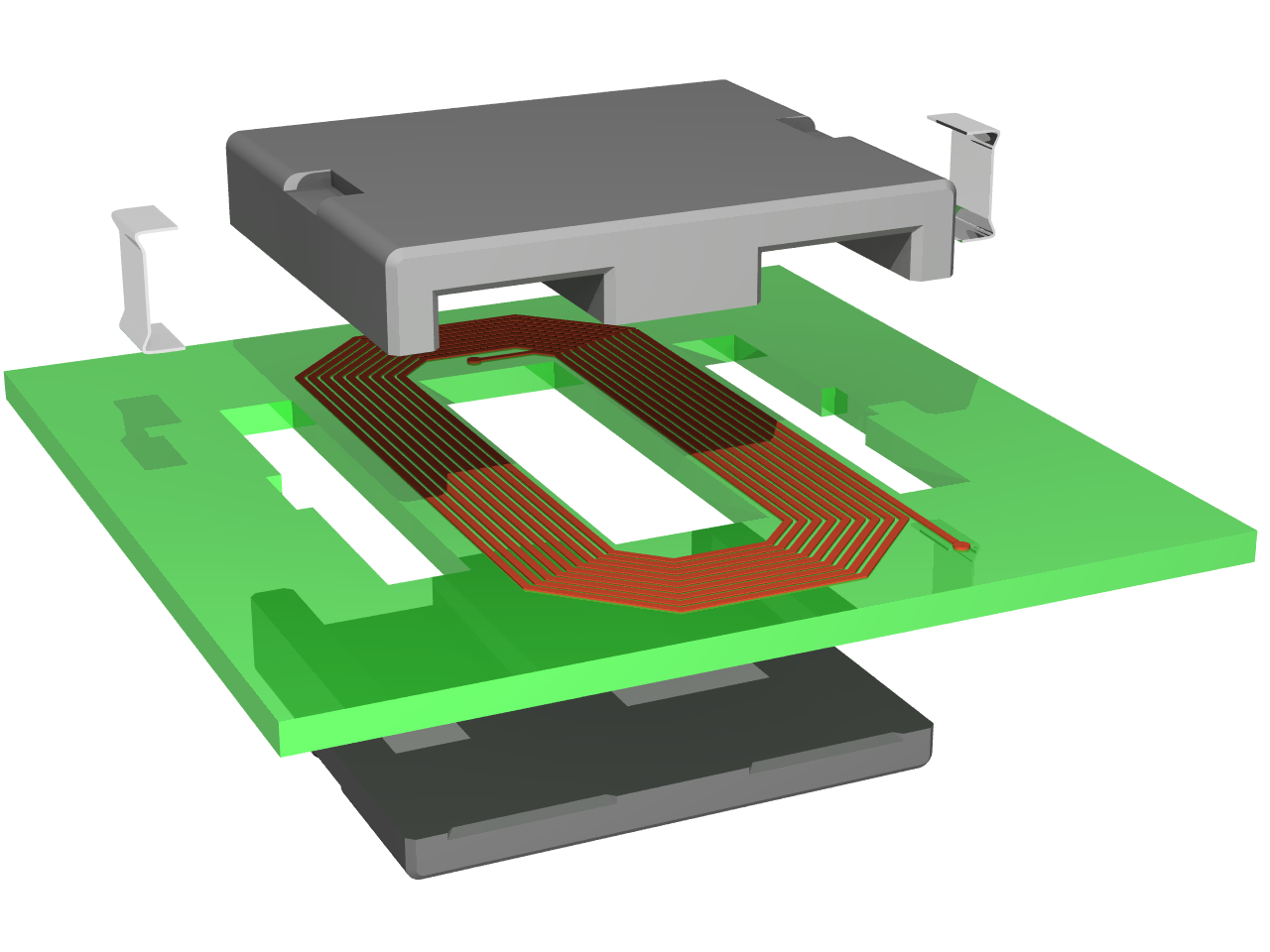
- Wikimedia Commons: Planar core assembly exploded.png, by Cyril BUTTAY (CC BY-SA 3.0), https://commons.wikimedia.org/wiki/File:Planar_core_assembly_exploded.png