Linoleum
Summary
Cols
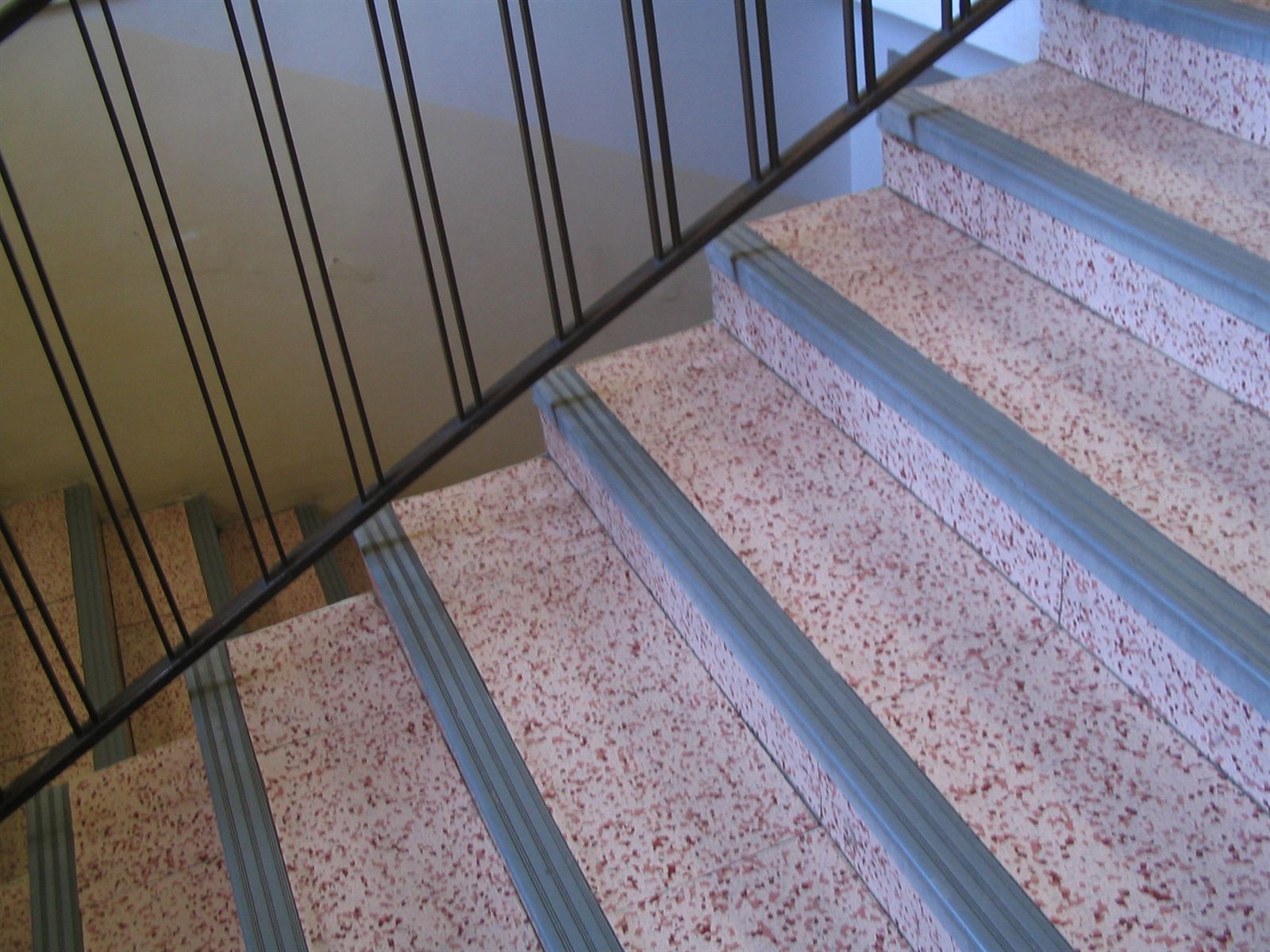
Terminology
- Linoxyn: solidified (oxidized) linseed oil binder
- Linoleum cement: binder mix of oxidized linseed oil and resin; ASTM F2034 sets a 30 percent minimum
- Inlaid linoleum: pattern formed by pieces of colored linoleum set into the base
- Battleship linoleum: heavy linoleum made to US Navy specifications
History and demand
Invention
- 1860: Frederick Walton filed English Patent No. 209 (27 January); further patent in 1863
- 1864: Linoleum Manufacturing Company founded at Staines; unprofitable its first five years
- Inlaid linoleum 1882; straight-line inlaid 1898; embossed inlaid 1926
First uses in construction
- Widely used in high-traffic areas and kitchens from 1860 until the 1950s
Sourcing
- 1877: Kirkcaldy, Scotland, the world's largest producer
Composition and production
Raw materials
- 2.5 mm Forbo Marmoleum by mass: wood flour 31 percent, linseed oil 20 percent, limestone 20 percent, tall oil 13 percent, jute backing 8 percent, pigment 4 percent, pine rosin 3 percent, acrylic lacquer 1 percent
- Generic linoleum by mass: linseed oil 23.3 percent, wood flour 30.5 percent, limestone 17.7 percent, jute 10.9 percent, cork flour 5 percent, rosin and tall oil 7.8 percent
Manufacturing process
- Linseed oil oxidizes (cross-links) with rosin into a binder, mixed with fillers into granules, then calendered onto jute
- Curing takes long: some stages about 7 days, with total process longer
Product forms
- Sheet and tile; 2.5 mm is a common sheet thickness
Properties
Durability
- Service life of 20 years or more with maintenance
Standards
Material specifications
- ASTM F2034: sheet linoleum floor covering; three types; at least 30 percent linoleum cement; F2034-18(2025) listed as active
Test methods
- ASTM F2034 test list includes overall thickness, static load, chemical, heat, and light resistance, flexibility, static dissipation, and wear surface
Uses in buildings
Building elements
- Resilient Flooring: sheet and tile floors in schools, healthcare, and commercial interiors
Pros and cons
Pros
- Renewable constituents; biodegradable
- Long service life with maintenance
- Off-cuts can be reground into new batches
Cons
- Long manufacturing and curing time
- Requires maintenance to reach a 20-year life
Sustainability
Recycled content and end of life
- Renewable and biodegradable constituents; flax for linseed oil largely from the Canadian prairies
- Off-cuts reground into new batches
Manufacturing and cost
Main manufacturers and suppliers
Sources
- Wikipedia: Linoleum, https://en.wikipedia.org/wiki/Linoleum
- NIST BEES: Forbo Linoleum, https://ws680.nist.gov/Bees/(A(2J61dr4n3AEkAAAANTNkNWNmNDEtNTA5My00OWEyLWE5MDctMGVkNWYwOGU2MjE0piFeXEOKLZVyT6YGKNU2maazL7E1))/ProductListFiles/Forbo%20Linoleum.pdf
- NIST BEES: Generic Linoleum Flooring, https://ws680.nist.gov/BEES/ProductListFiles/Generic Linoleum Flooring.pdf
- ASTM: F2034 listing, https://www.technickenormy.cz/en/astm-f2034-18r25-standard-specification-for-sheet-linoleum-floor-covering/
- Wikimedia Commons: Schody s linoleem.jpg, photo by Martin Strachoň (CC BY-SA 3.0), https://commons.wikimedia.org/wiki/File:Schody_s_linoleem.jpg