Pendant Fixtures
Summary
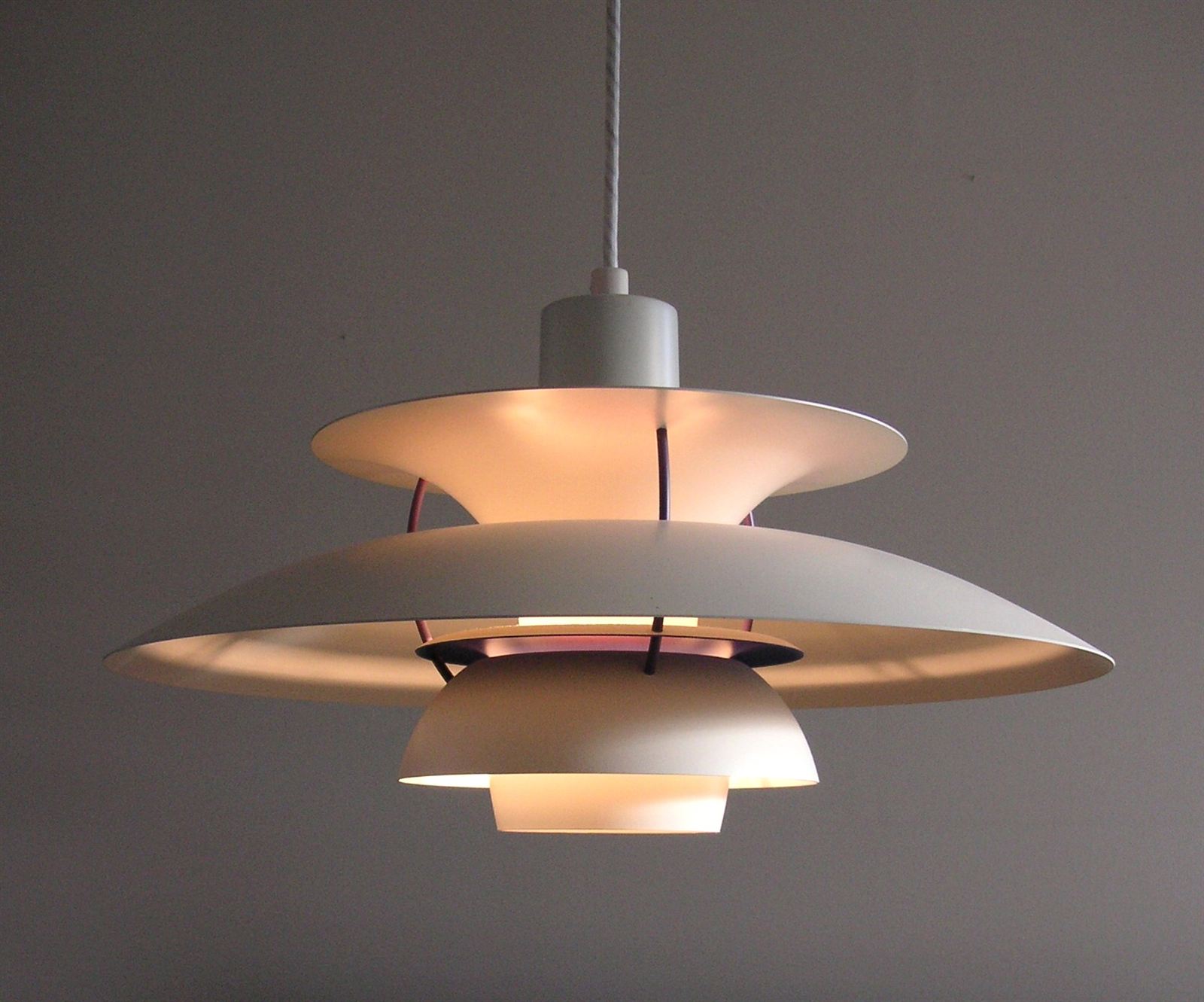
Pendant fixtures hang from the ceiling on aircraft cable, stems, or cords, from small decorative globes to long linear direct-indirect luminaires. They bring light closer to tasks in tall or exposed ceilings and add design character, but mounting height, structural support, seismic bracing, glare, and ceiling coordination must be resolved.
Cols
Terminology
- Suspension: aircraft cable, rigid stem, or cord
- Canopy: ceiling cover over the junction box and mounting
- Direct-indirect: distributes light both down to tasks and up to the ceiling
- Decorative pendant: fixture chosen for appearance; often lower output
- Acoustic pendant: luminaire combined with sound-absorbing baffle or panel
- Overall length (OAL): finished hanging height from ceiling to fixture bottom
- Swag: cord draped to an offset point
- Seismic bracing: restraint against sway in seismic regions
Standards
Ratings
- Specify delivered lumens, distribution, and CCT for task lighting; decorative units often add accent only
- Check weight and support requirements for large fixtures
- Damp or wet listing for outdoor and pool areas
Test standards
- UL 1598 and UL 8750
- IES LM-79, LM-80, TM-21
Components
- Luminaire body: linear extrusion, shade, globe, or panel
- Suspension kit: cables, stems, cord, canopy
- Driver: integral or in canopy; dimmable
- Optics: diffusers, lenses, uplight and downlight components
Detailing
- Set hanging height by ceiling height, task, and sightlines; keep clear of head-height circulation
- Provide structure-mounted support for heavy fixtures; do not hang from ceiling tiles
- Coordinate pendant locations with sprinklers, diffusers, and beams in exposed ceilings
- Provide seismic restraint where required
- Use direct-indirect units to brighten ceilings and reduce contrast
Uses
Specific uses
- Open offices with exposed ceilings
- Restaurant and bar seating
- Lobbies and atria (large decorative pendants)
- Classrooms with linear direct-indirect fixtures
- Kitchen islands and residential dining
Pros and cons
Pros
- Brings light closer to the task in tall spaces
- Strong design element
- Direct-indirect units give comfortable, low-glare light
- Works with exposed structure
Cons
- Needs structural support and coordination with overhead systems
- Dust collects on top surfaces
- Glare from exposed sources in decorative units
- Height changes need re-rigging
Manufacturing and cost
Construction
- Bodies extruded, spun, or formed; suspension kits supplied by the manufacturer
- Hung from structure or support channels; wired to junction boxes in canopies
Main manufacturers and suppliers
Trade association: Illuminating Engineering Society.
Typical costs
- Commercial linear LED pendant, material: $150 to $600 each; decorative and custom pendants vary widely
Sources
- PacLights: commercial building lighting fixtures guide, https://www.paclights.com/learning-center/commercial-building-lighting-fixtures-guide/
- CSE Magazine: specifying LED luminaires, https://www.csemag.com/specifying-led-luminaires/
- Focal Point: linear pendant products, https://www.focalpointlights.com/
- Inch Calculator: light fixture installation cost, 2026, https://www.inchcalculator.com/light-fixture-installation-cost-guide/
- Wikimedia Commons: PH-Lampan 1.jpg, by Holger Ellgaard (CC BY-SA 3.0), https://commons.wikimedia.org/wiki/File:PH-Lampan_1.jpg