Battery Storage and Resilience Power
Summary
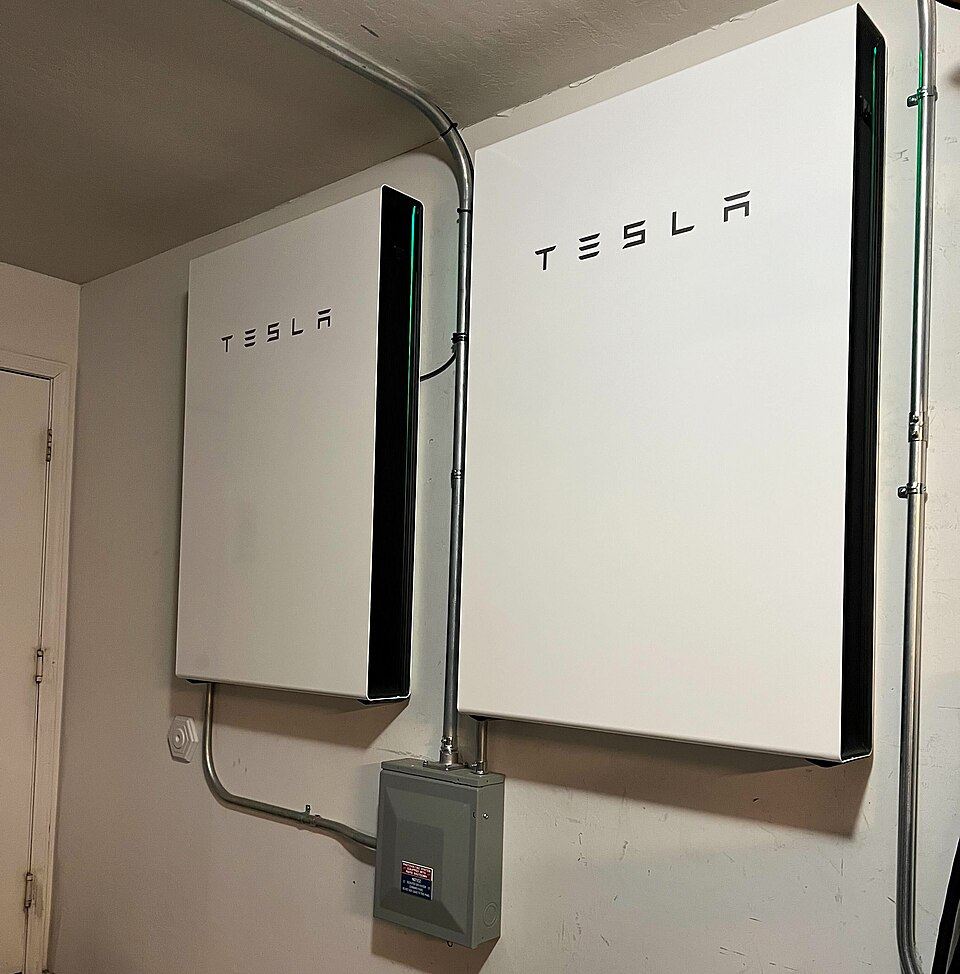
Battery energy storage stores electricity on site for backup power, load shifting, and solar self-consumption. Installation is governed by NFPA 855 and equipment listings, and local fire officials can add conditions, so location, capacity, and permitting must be confirmed early.
Cols
Standards
- NFPA 855: installation of stationary energy storage systems, including lithium-ion and lead-acid; scope depends on chemistry and stored energy; a 2026 edition has been released, so confirm the adopted edition
- UL 9540: equipment safety standard for energy storage systems
- UL 9540A: thermal runaway fire propagation test method
- Residential scope: NFPA 855 addresses residential units from 1 kWh to 20 kWh; permitted locations and aggregate capacity limits vary by source and edition, so verify in the adopted code
Common issues
- Siting: clearances and setbacks come from manufacturer instructions, NFPA 855 for larger systems, and local amendments
- Local discretion: fire marshals can impose conditions beyond the model minimums
- Zoning: treatment of battery storage by zone is local; one model ordinance allows it in all zones, by right in industrial and commercial districts
Coordination
- Critical loads: sizing for outage duration and critical-load panels is a design task with the electrical engineer
- Code review: check the adopted fire code, electrical code, and local ordinances
Sources
- NFPA: residential energy storage system regulations, https://nfpa.org/news-blogs-and-articles/blogs/2021/10/01/residential-energy-storage-system-regulations
- Energy-Storage.news: NFPA releases NFPA 855, 2026 edition, https://www.energy-storage.news/national-fire-protection-association-releases-nfpa-855-ess-safety-standard-2026-edition/