LEED
Summary
LEED is a point-based green building rating system from the U.S. Green Building Council that awards Certified, Silver, Gold, or Platinum levels. Version matters, because LEED v5 moves points toward decarbonization and sets minimum points in named energy credits.
Cols
Scope
- Levels (out of 110 points): Certified 40 to 49, Silver 50 to 59, Gold 60 to 79, Platinum 80 and above
- v4.1 BD+C: a 100-point base scorecard plus 10 bonus points from Innovation and Regional Priority
- v5: same 110 points and four levels, with points shifted toward decarbonization and equitable outcomes, and minimum points required in named decarbonization credits in Energy and Atmosphere
- Registration: one source reports v4 and v4.1 commercial registration closes June 30, 2027, with certification sunset in 2033; confirm with USGBC
Coordination
- Credits tied to this folder: daylight metrics (sDA and ASE), EPDs and whole-building life cycle assessment, energy modeling
- Thresholds: the level thresholds are the same across the BD+C, ID+C, O+M, ND, and Homes systems in secondary sources; check the reference guide for the system in use
Sources
- U.S. Green Building Council: LEED, https://www.usgbc.org/leed
- BuildingGreen: LEED v4.1 fact sheet, https://www.buildinggreen.com/sites/default/files/leed_v4.1_fact_sheet.pdf
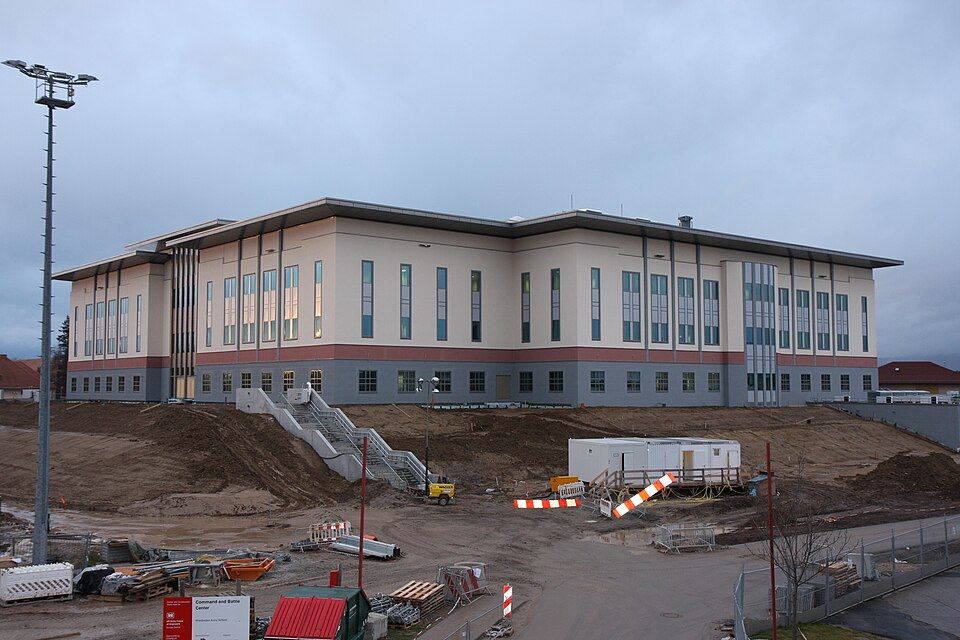
- Wikimedia Commons: USACE constructs first LEED certified US building in Germany (7412835534).jpg, by U.S. Army Corps of Engineers Europe District from Wiesbaden, Germany (Public domain), https://commons.wikimedia.org/wiki/File:USACE_constructs_first_LEED_certified_US_building_in_Germany_(7412835534).jpg