Floor Drains and Cleanouts
Summary
Floor drains and floor sinks collect water from floors, equipment, and indirect waste, trench drains handle wide wash-down areas, and cleanouts give rodding access to drain lines at set intervals and changes of direction. Floor slopes, drain locations, trap primers, and cleanout access affect floor finishes and slab design, so they must be coordinated with finish plans and casework.
Cols
Terminology
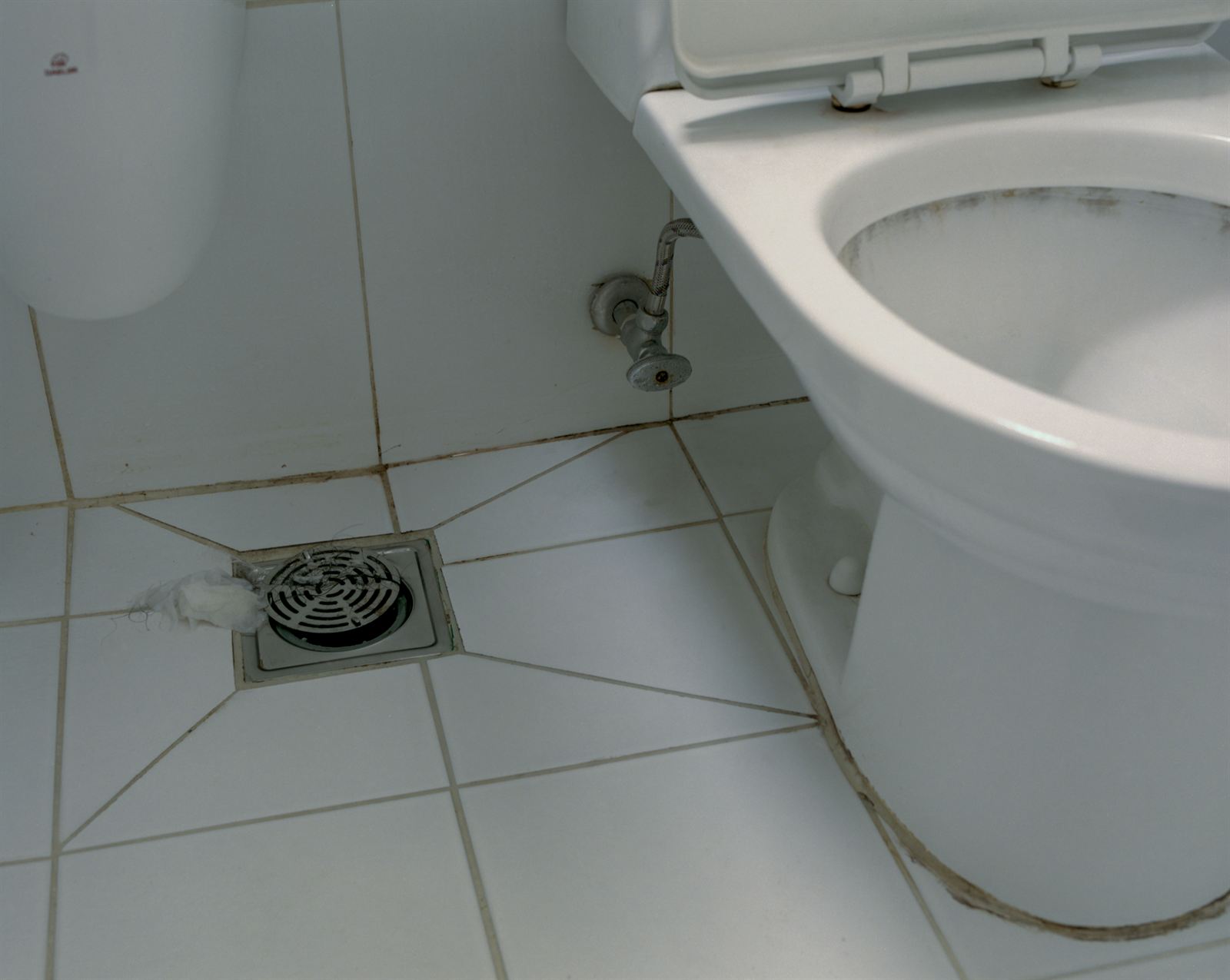
- Floor drain: strainer-topped drain body set in the floor
- Floor sink: receptor for indirect waste from kitchen and process equipment
- Trench drain: linear channel with grate
- Emergency floor drain: drain that rarely receives water, needing trap seal protection
- Trap primer: device that refills trap seals
- Cleanout: removable plug giving access to piping
- Two-way cleanout: access in both directions at building drain and sewer junction
- Clamping collar / flashing ring: membrane connection at drain body
Standards
Ratings
- Floor drain outlets at least 2 in.; laundry floor drains at least 3 in.
- Trap seals protected by trap primers (ASSE 1018 or ASSE 1044), barrier-type devices (ASSE 1072), or a lavatory or drinking fountain drain connection
- Cleanouts at intervals of 100 ft maximum in horizontal drains and at changes of direction greater than 45 degrees
- Cleanout at or within 10 ft upstream of the building drain and sewer junction
- Cleanouts the same size as the pipe up to 4 in.
- Clearance in front of cleanouts at least 18 in. for pipe 6 in. and smaller, 36 in. for 8 in. and larger
- Cleanouts not concealed; wall cleanouts within 1-1/2 in. of the finished surface
Test standards
- ASME A112.6.3, ASME A112.3.1, or CSA B79: floor drains (A112.6.3 for trench drains)
- ASME A112.36.2M: floor cleanouts subject to vehicle loads
- ASSE 1018 / 1044 / 1072: trap seal protection devices
Components
- Body: cast iron, PVC, ABS, or stainless steel
- Strainer or grate: nickel-bronze, stainless steel, or cast iron, with load class
- Trap and primer connection
- Membrane clamping ring: for waterproofed floors
- Cleanout plug and access cover
Detailing
- Slope floors to drains; coordinate drain heights with finish thickness
- Use clamping collars to tie drains into waterproofing membranes
- Specify grate load ratings for traffic areas and heel-proof grates in public spaces
- Provide trap primers or barrier devices for drains that rarely receive water
- Locate cleanouts where accessible, not behind casework or in rated assemblies
Uses
Specific uses
- Restrooms, showers, and locker rooms
- Mechanical rooms and garages
- Commercial kitchens (floor sinks)
- Laundries and wash-down areas
- Parking structures and loading docks (trench drains)
Pros and cons
Pros
- Protect floors from flooding
- Floor sinks receive indirect waste safely
- Cleanouts reduce clog repair costs
Cons
- Dry traps release sewer gas without primers
- Floor slopes complicate finish and accessibility design
- Cleanout covers interrupt finishes
Manufacturing and cost
Construction
- Drain bodies set in formwork or cored slabs, connected to sanitary piping; grates installed with finishes
Main manufacturers and suppliers
Trade associations: ASPE and IAPMO.
Sources
- UpCodes: 2024 IPC Chapter 7 sanitary drainage (cleanouts; GSA adoption without amendments), https://up.codes/viewer/general-services-administration/ipc-2024/chapter/7/sanitary-drainage
- UpCodes: 2024 IPC Chapter 10 traps, interceptors, and separators (trap seal protection), https://up.codes/viewer/general-services-administration/ipc-2024/chapter/10/traps-interceptors-and-separators
- UpCodes: 2024 IPC Chapter 4 fixtures (floor drains), https://up.codes/viewer/general-services-administration/ipc-2024/chapter/4/fixtures-faucets-and-fixture-fittings
- Sweets: Division 22 plumbing (22 13 19 sanitary waste piping specialties), https://sweets.construction.com/BrowseByDivision/Plumbing
- Wikimedia Commons: -42 drain.jpg, by Park taeho (CC BY-SA 4.0), https://commons.wikimedia.org/wiki/File:-42_drain.jpg