Hydronic Boilers
Summary
Hydronic boilers heat water that is pumped to fan coils, AHU coils, reheat coils, radiators, and radiant floors, with condensing boilers recovering latent heat from flue gases when return water is cool. They are the heart of hot water heating plants, so boiler type, water temperatures, venting, combustion air, room size, and electrification goals must be decided early.
Cols
Terminology
- MBH: thousand Btu per hour; boiler capacity unit
- Condensing boiler: recovers heat by condensing flue gas water vapor; needs low return water temperature
- Non-condensing boiler: traditional boiler requiring higher return temperatures to avoid condensation
- Fire-tube / water-tube: hot gases in tubes surrounded by water, or water in tubes surrounded by gases
- Turndown: ratio of maximum to minimum firing rate
- Primary-secondary / variable primary pumping: piping arrangements
- Thermal efficiency / AFUE: commercial and residential efficiency measures
- Category IV venting: positive-pressure, condensing vent systems in stainless steel or plastic
- Electric boiler / heat pump water heater: electrified alternatives to fuel-fired boilers
Standards
Ratings
- Condensing performance depends on low return water temperatures; design heating coils for low-temperature water
- Multiple modular boilers give redundancy and turndown
- Combustion air and venting per the mechanical and fuel gas codes
Test standards
- ASME Boiler and Pressure Vessel Code Section IV: heating boilers
- ANSI Z21.13: gas-fired low-pressure boilers
- AHRI BTS-2000: commercial boiler efficiency testing
- UL 834 / UL 795: electric and commercial fuel-fired heating equipment safety
Components
- Heat exchanger: stainless steel, cast iron, steel, or copper fin-tube
- Burner and controls: modulating burners with sequencing controls
- Pumps: primary and secondary circulators with variable speed drives
- Venting: flue and combustion air piping
- Accessories: expansion tank, air separator, chemical treatment, relief valves
Detailing
- Size boiler rooms for service clearance and tube pull where needed
- Route vents to terminations away from intakes and openings
- Provide condensate neutralizers for condensing boilers
- Design heating coils and emitters for low return temperatures
- Plan for future electrification with heat pump capacity or space
Uses
Specific uses
- Offices and schools with hot water heating
- Hospitals and laboratories with reheat loads
- Multifamily central heating
- Radiant floor systems
- Snow-melt systems
Pros and cons
Pros
- Efficient, comfortable hot water heat
- Modular boilers add redundancy
- Long service life
- Serves many terminal types
Cons
- Fuel combustion conflicts with electrification and emissions goals
- Requires boiler room, venting, and gas service
- Condensing efficiency lost with high return water temperatures
- Water treatment and maintenance needed
Manufacturing and cost
Construction
- Boilers set on pads; piped, vented, wired, and started up by factory technicians
Main manufacturers and suppliers
Trade associations: AHRI and ASHRAE.
Sources
- Newfoundland and Labrador: Division 23 master specification index (23 52 00 heating boilers), https://www.gov.nl.ca/ti/works/masterspec/div23
- ASHRAE: standards, https://www.ashrae.org/
- AHRI: certification programs, https://www.ahrinet.org/
- Lochinvar: commercial condensing boilers, https://www.lochinvar.com/en_US/home
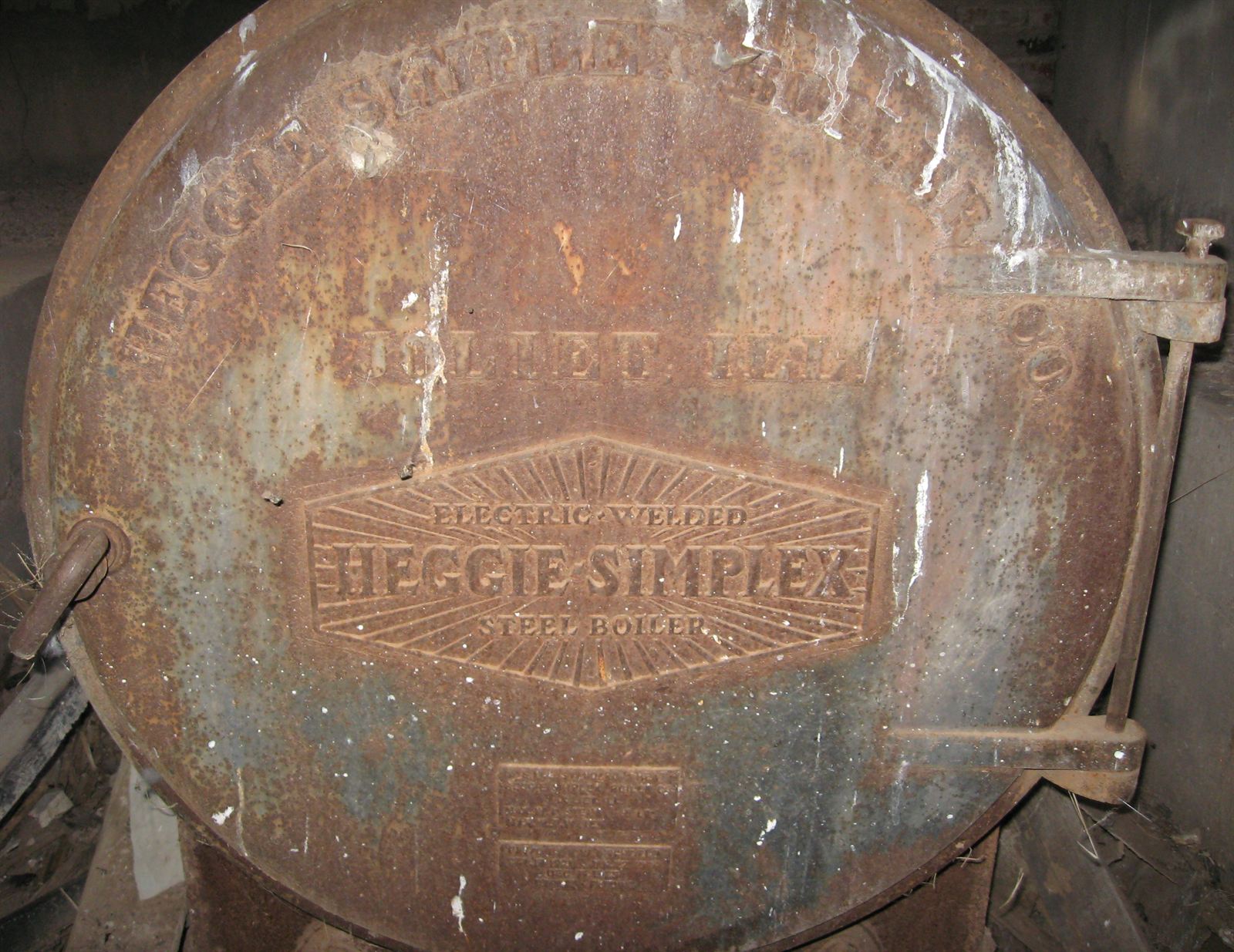
- Wikimedia Commons: Wheatland NM School Gym Boiler.jpg, by Wordbuilder (CC BY 3.0), https://commons.wikimedia.org/wiki/File:Wheatland_NM_School_Gym_Boiler.jpg