Cove and Indirect Lighting
Summary
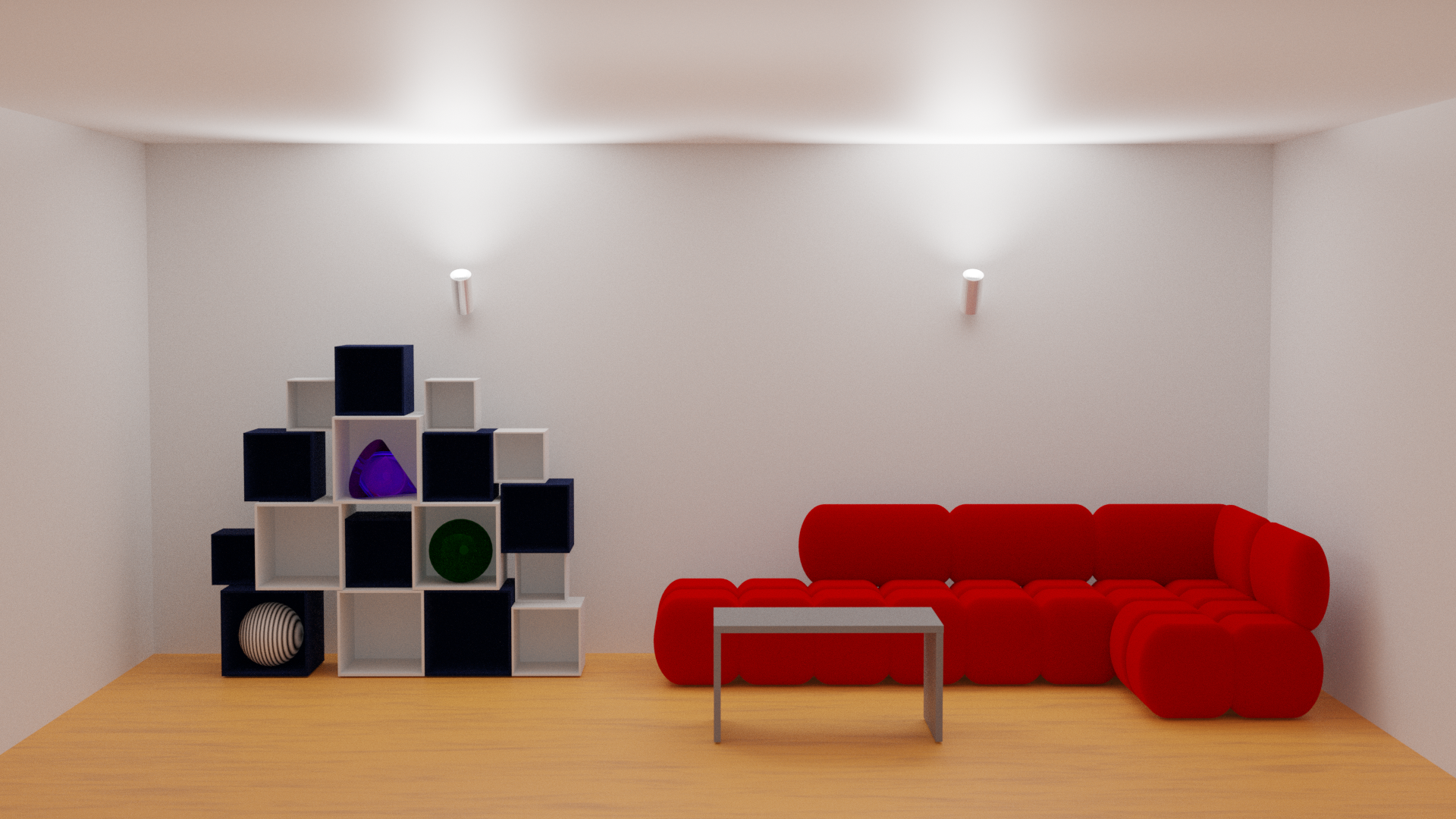
Cove and indirect lighting hides linear LED sources (tape, linear cove fixtures, or asymmetric uplights) in recesses or ledges so light reflects off ceilings and walls rather than reaching the eye directly. It produces glare-free, ambient light and emphasizes architecture, but cove geometry, setback, finish reflectance, and driver access decide whether the result is smooth or streaky.
Cols
Terminology
- Cove: recessed shelf or soffit near the ceiling that hides an uplight source
- Slot / reveal: narrow recess in ceiling or wall with a linear source
- LED tape: flexible circuit with LEDs; low voltage, cut at marked intervals
- Linear cove fixture: rigid fixture with asymmetric optics designed for coves
- Asymmetric distribution: optic that throws light across the ceiling instead of straight up
- Scalloping / striations: uneven patches or lines caused by poor spacing or setback
- Remote driver / power supply: constant-voltage or constant-current supply for low-voltage tape
- Voltage drop: loss of brightness along long low-voltage runs
- COB tape: chip-on-board tape with continuous, dot-free appearance
Standards
Ratings
- Specify lumens per foot, CCT, CRI, and binning consistency for runs that must match
- Driver capacity and run length limits per manufacturer to control voltage drop
- Damp or wet listing for exterior and bathroom coves
Test standards
- UL 8750: LED equipment; UL 2108 for low-voltage lighting systems where applicable
- IES LM-79 and LM-80
Components
- Light source: LED tape in aluminum channel, or linear cove luminaire
- Channel and lens: aluminum extrusion with diffuser for heat sinking and dot-free look
- Drivers: remote, accessible, dimmable
- Connectors and leaders: jumpers between segments
Detailing
- Size cove opening and setback so the source is hidden from normal viewpoints
- Use matte, light-colored reflecting surfaces; glossy surfaces show hot spots
- Mount sources in aluminum channel for heat dissipation and alignment
- Provide accessible driver locations and plan run lengths for voltage drop
- Overlap or butt sources at corners to avoid dark gaps
Uses
Specific uses
- Lobby and corridor ceilings
- Conference and boardrooms
- Hospitality guest rooms and restaurants
- Residential tray ceilings and under-cabinet lighting
- Wall grazing at feature walls
Pros and cons
Pros
- Soft, glare-free ambient light
- Highlights architectural forms
- Sources hidden from view
- Low-profile LED tape fits shallow details
Cons
- Less efficient than direct lighting for task illuminance
- Dust collects in coves
- Visible streaks or scallops if detailing is wrong
- Driver and tape replacement needs access
Manufacturing and cost
Construction
- Coves framed with drywall, wood, or prefabricated profiles; channels and tape installed after finish
- Drivers installed in accessible locations and wired to controls
Main manufacturers and suppliers
- Acuity Brands (Mark, Peerless)
- Focal Point
- WAC Lighting
- Lumenpulse
Trade association: Illuminating Engineering Society.
Sources
- ECN Electrical Forum: cove lighting linear systems, https://www.electrical-contractor.net/forums/ubbthreads.php/topics/184284/cove-lighting-linear-or-fiber.html
- Mike Holt Forum: LED indirect cove lighting, https://forums.mikeholt.com/threads/led-indirect-cove-lighting.98015/latest
- CSE Magazine: specifying LED luminaires, https://www.csemag.com/specifying-led-luminaires/
- DOE: LED standards overview, https://www1.eere.energy.gov/buildings/publications/pdfs/ssl/richman_standards_lightfair2014.pdf
- Wikimedia Commons: Interior Lighting Artificial 41.png, by Stilfehler (CC BY-SA 4.0), https://commons.wikimedia.org/wiki/File:Interior_Lighting_Artificial_41.png