Terra Cotta
Summary
Terra cotta is a clay-based, non-vitreous ceramic fired at relatively low temperatures, typically around 1,000°C. Architectural terra cotta is fired near vitrification for cladding and ornament, so the body must resist freeze-thaw and salt, not only the glaze.
Cols
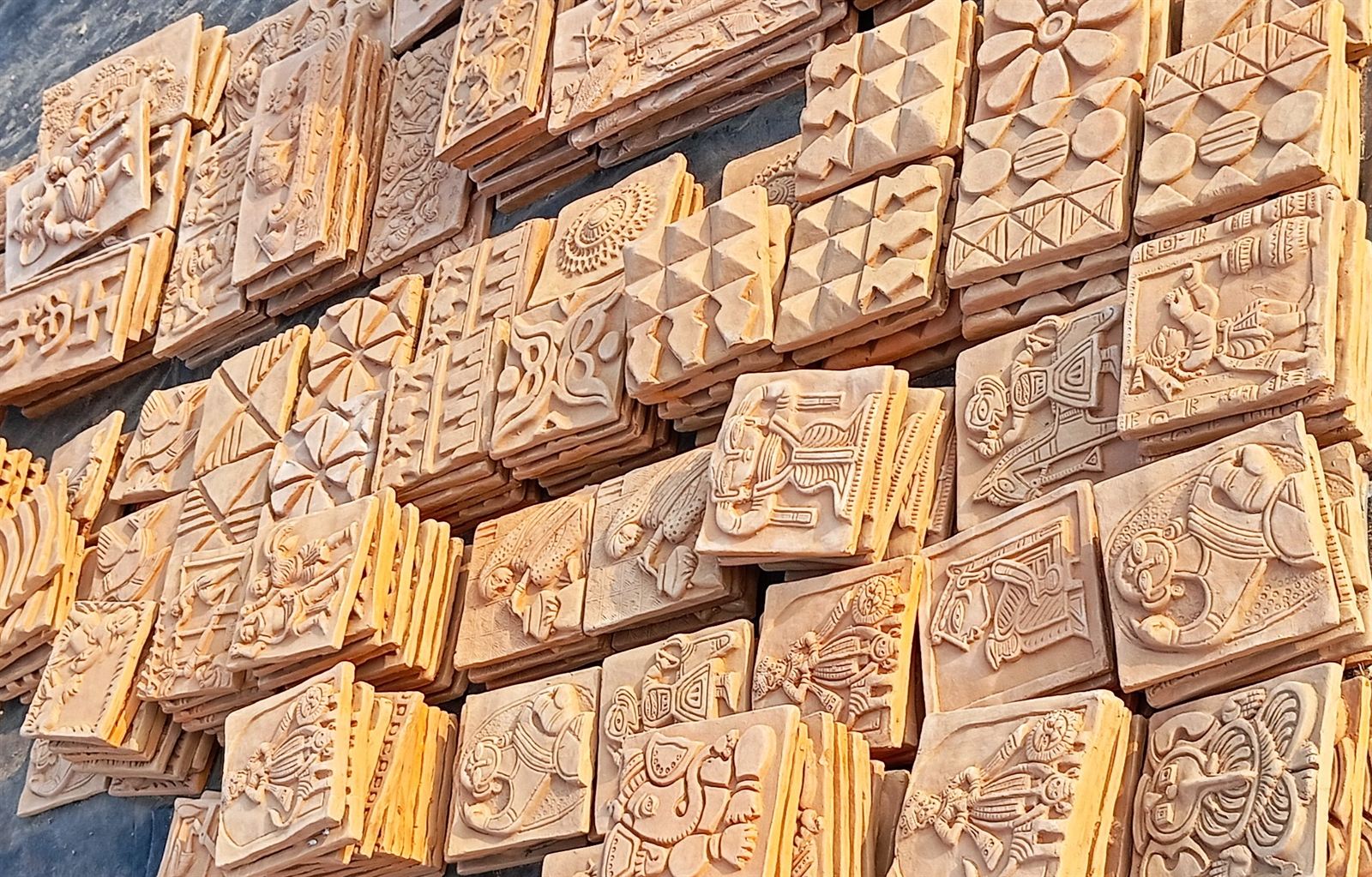
Terminology
- Terra cotta: Italian for baked earth
- Architectural terra cotta: body fired to or near vitrification for exterior use
- Burnishing: polishing the surface before firing to reduce porosity
History and demand
First uses in construction
- Mid-19th century: architectural revival
- 1871: Chicago Fire increased demand for fireproof urban materials
Sourcing
- United States architectural terra cotta makers include Gladding, McBean (California, founded 1875) and Boston Valley Terra Cotta (New York, origins in 1889, terra cotta since 1981); NBK Terracotta is also a leading supplier
Demand trend
- Demand fell from the 1930s, then recovered
Composition and production
Raw materials
- Clay with iron oxides giving a reddish tone; also yellow, orange, buff, pink, grey, and brown
Manufacturing process
- Fired at about 1,000°C (1,830°F); as low as 600°C (1,112°F) in historic examples
- Throwing and slip casting; fired in a kiln
Properties
Physical
- Unglazed terra cotta is not watertight; glazes reduce permeability
- Much lighter than marble; outdoor works need greater thickness
Durability
- Architectural body fired to or near vitrification to withstand freeze-thaw cycles and salt intrusion
- Glaze alone does not seal the body; a non-porous clay body prevents water-related failure
Uses in buildings
Building elements
- Wall Cladding: exterior cladding, ornament, and friezes
- Glazed terra cotta serves building decoration in freezing climates
Pros and cons
Pros
Cons
- Unglazed terra cotta absorbs water
- Needs a vitrified body for freeze-thaw exposure
Manufacturing and cost
Main manufacturers and suppliers
Sources
- Wikipedia: Terracotta, https://en.wikipedia.org/wiki/Terracotta
- Wikimedia Commons: Terracotta wall tiles.jpg, photo by Salil Kumar Mukherjee (CC BY-SA 4.0), https://commons.wikimedia.org/wiki/File:Terracotta_wall_tiles.jpg
- Gladding, McBean: historical terra cotta, https://www.gladdingmcbean.com/historical-terra-cotta-working
- Facade Tectonics: Boston Valley Terra Cotta, https://facadetectonics.org/organizations/boston-valley-terra-cotta