Standby Generators
Summary
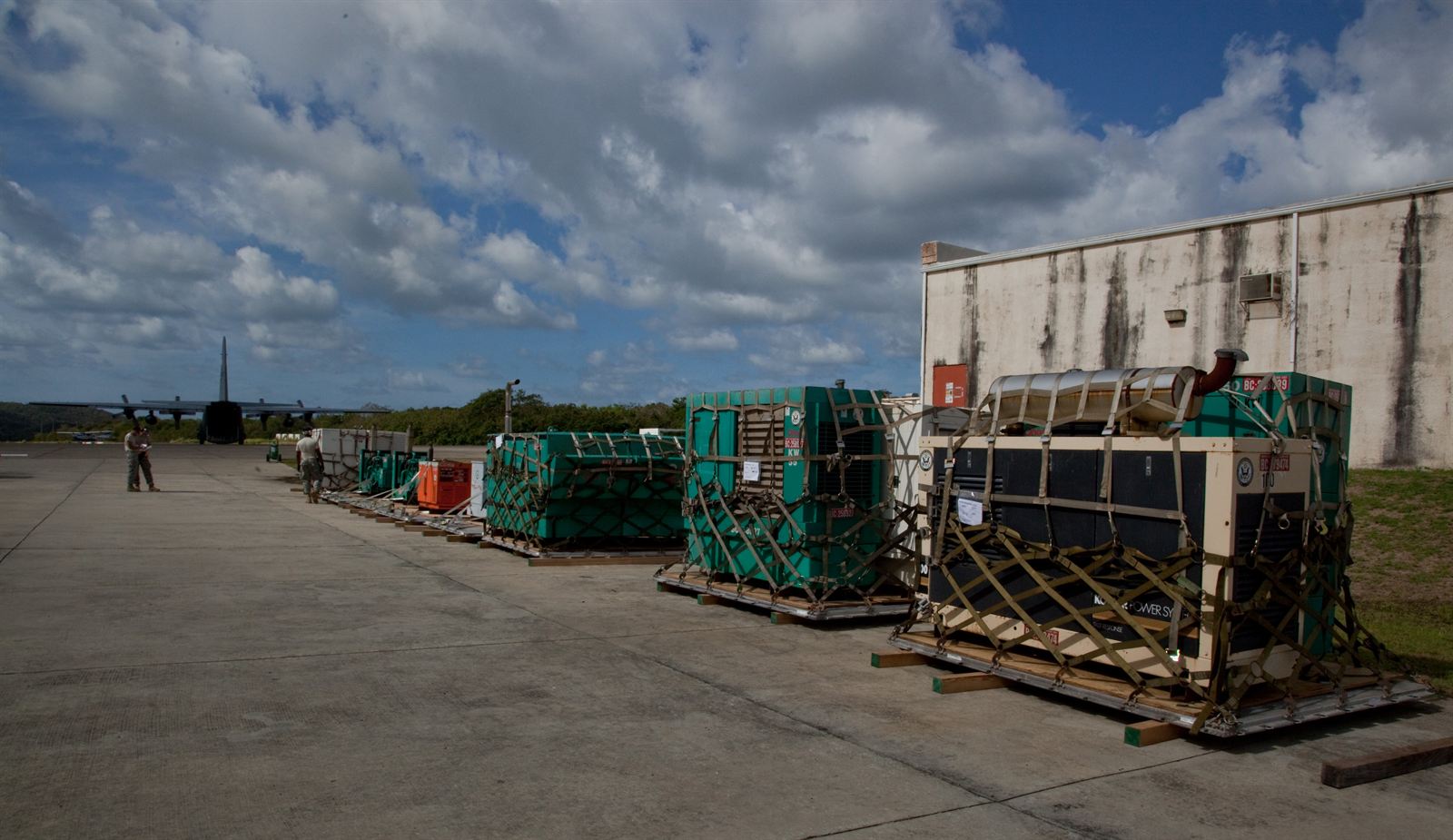
Standby generators are packaged engine-generator sets, in outdoor enclosures or indoor rooms, that start automatically through transfer switches when utility power fails, serving life safety, code-required, or owner-chosen loads. They bring fuel storage, exhaust, combustion air, noise, vibration, and weight, so location, setbacks, sound enclosures, and fuel delivery must be resolved early.
Cols
Terminology
- Emergency system: life safety loads such as egress lighting and fire alarm
- Legally required standby: code-required loads that are not life safety
- Optional standby: owner-chosen loads for business continuity or comfort
- Genset: engine, alternator, controls, and base fuel tank as one package
- Sub-base tank / day tank: fuel storage under or near the generator
- Load bank: test load for commissioning and exercising
- kW / kVA rating: standby or prime power capacity
Standards
Ratings
- Emergency systems provide power within 10 seconds; standby systems within 60 seconds unless otherwise stated
- Required systems supply power for at least 2 hours without refueling, unless the code states otherwise
- Exit signs and egress illumination need 90 minutes
- Residential whole-house units commonly 20 to 26 kW
Test standards
- UL 2200: stationary engine generator assemblies
- NFPA 110: emergency and standby power systems
- NFPA 70 (NEC): generators and emergency, legally required, and optional standby systems
Components
- Engine and alternator: diesel, natural gas, or propane
- Controller: automatic start, monitoring, and remote annunciation
- Enclosure: weatherproof and sound-attenuated, or indoor room
- Fuel system: sub-base tank, day tank, or gas service
- Exhaust and cooling: muffler, radiator, and airflow paths
Detailing
- Locate outdoor units away from air intakes, windows, and operable openings
- Provide sound enclosures or barriers near property lines and occupied rooms
- Size indoor generator rooms for airflow, exhaust, fuel, and service access
- Protect emergency feeders and critical circuits with fire-rated construction or rated cable
- Plan for fuel delivery, refueling access, and load bank connections
Uses
Specific uses
- Hospitals and healthcare
- High-rise buildings for elevators and smoke control
- Data centers and telecommunications
- Water and wastewater plants
- Homes in outage-prone areas
Pros and cons
Pros
- Long runtimes with fuel supply
- Supports life safety and business continuity
- Mature, widely serviced technology
Cons
- Noise, emissions, and fuel storage
- Regular testing and maintenance required
- High cost for large or redundant systems
Manufacturing and cost
Construction
- Factory-built genset set on a pad or in a room; connected to transfer switches, fuel, exhaust, and controls; load tested at startup
Main manufacturers and suppliers
Trade associations: NFPA and NECA.
Typical costs
- Residential whole-house standby generator (about 22 kW), installed: about $7,000 to $15,000
Sources
- UpCodes: 2024 IBC Chapter 27 electrical (Department of Defense adoption), https://up.codes/viewer/department-of-defense/ibc-2024/chapter/27/electrical
- ThePricer: how much does a standby generator cost, https://www.thepricer.org/how-much-does-a-standby-generator-cost/
- Newfoundland and Labrador: Division 26 master specification index (26 32 13 power generation), https://www.gov.nl.ca/ti/works/masterspec/div26
- Open Exam Prep: emergency, legally required, and optional standby systems (NEC 700, 701, 702), https://open-exam-prep.com/study-guides/mn-electrician/ch20-emergency-power-sources/emergency-standby-systems
- Wikimedia Commons: FEMA - 40330 - Photograph by Ashley Andujar taken on 03-26-2009 in Puerto Rico.jpg, by Ashley Andujar (FEMA) (Public domain), https://commons.wikimedia.org/wiki/File:FEMA_-_40330_-_Photograph_by_Ashley_Andujar_taken_on_03-26-2009_in_Puerto_Rico.jpg