Lead
Summary
Lead is a dense (11.34 g/cm³), soft metal that melts at 621.5°F and forms a protective gray carbonate layer in moist air. Sheet lead serves as long-lived flashing, roofing, and shielding, but toxicity limits its use in potable water components and requires handling controls.
Terminology
- Pb: chemical symbol, from plumbum
- Sheet lead: rolled lead strip, sheet, and plate for flashing and roofing, specified by weight per square foot
- Antimonial (hard) lead: lead alloyed with about 4 percent antimony, used for shielding bricks
- Chemical lead: high-purity lead
- Patina: protective lead carbonate surface layer
- Wetted surface: the part of a plumbing component in contact with drinking water
History and demand
Sourcing
- 2025 world mine production was about 4.5 million tonnes; China made about 1.9 million tonnes, Australia about 480,000, Peru about 290,000, and the United States about 280,000 (USGS 2026 estimates)
Demand trend
- Rising to 2014 on lead-acid batteries: primary production 4.58 million metric tons and secondary 5.64 million metric tons in 2014; lead-acid batteries are the largest use in the early 21st century
- 2022 global production about 12 million tonnes, roughly two-thirds from recycling; reserves 88 million tons in 2016
Composition and production
Raw materials
- Elemental lead; small additions of copper or antimony raise its low tensile strength
Product forms
- Strip, sheet, and plate (ASTM B749); shielding bricks of lead with about 4 percent antimony; retail flashing sheet in a 4 lb per sq ft class
Grades and types
- Sheet lead weights: vendors label flashing lead by weight per square foot; 4 lb per sq ft is the most common flashing weight, about 0.065 in. thick, listed to ASTM B749-03 and QQ-L-201F Grade C
- Chemical lead / antimonial lead: thermal conductivity 35 W/(m·K) against 30 W/(m·K)
Properties
Physical
- Density: 11.34 g/cm³ (about 708 lb/ft³), denser than iron, copper, and zinc
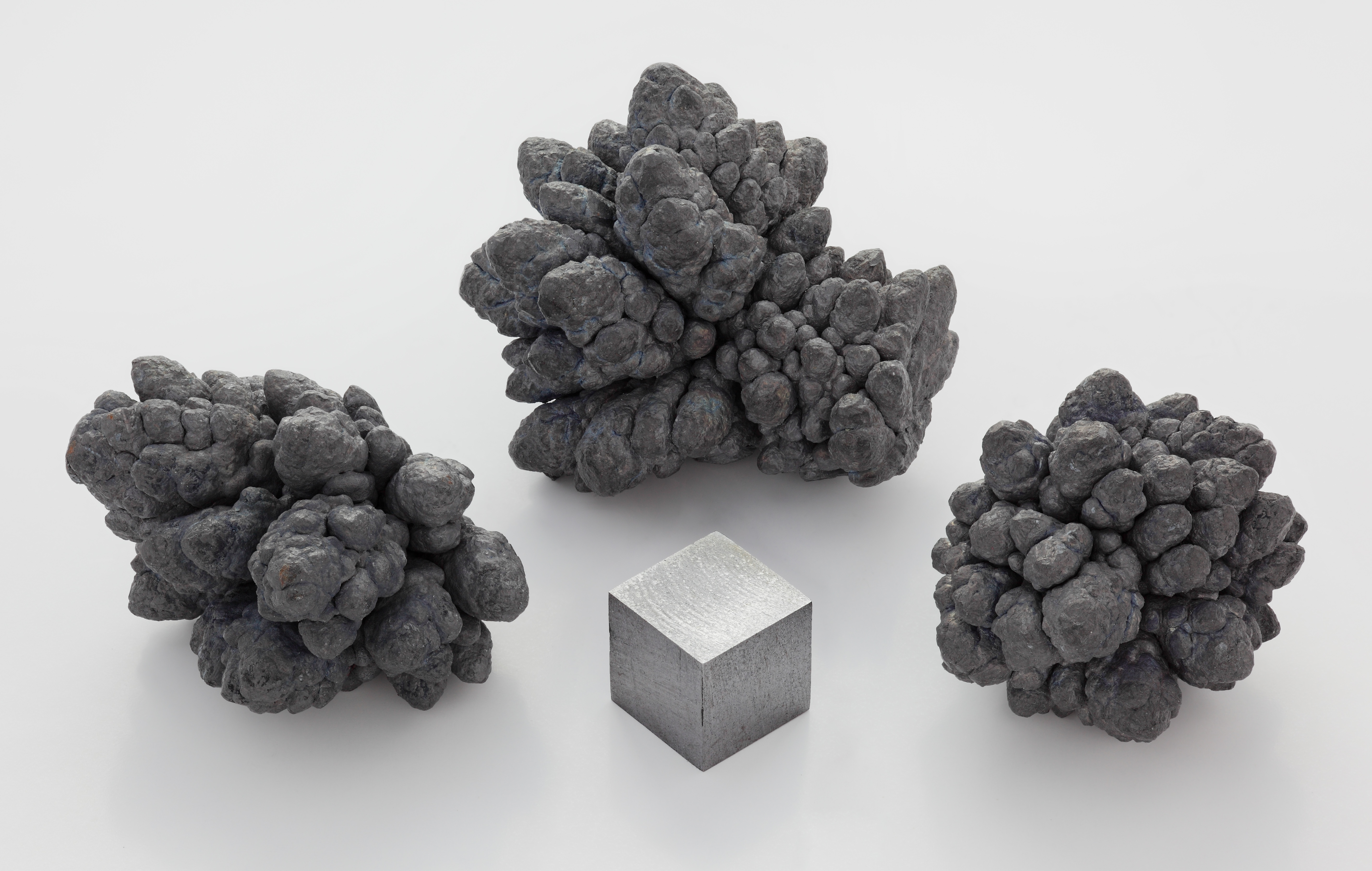
- Color: freshly cut silvery-blue; tarnishes to dull gray
Mechanical
- Tensile strength: 12 to 17 MPa (1.7 to 2.5 ksi)
- Modulus of elasticity: 16 GPa (about 2,320 ksi)
- Hardness: Mohs 1.5; Brinell 38 to 50 MPa
Thermal and moisture
- Thermal conductivity: 35.3 W/(m·K), about 245 Btu·in./(h·ft²·°F)
- Coefficient of thermal expansion: 28.73 × 10⁻⁶/K at 68°F, about 16 × 10⁻⁶ in./in./°F
Fire behavior
- Melting point: 327.5°C (621.5°F)
Durability
- Atmospheric corrosion: protective surface layer, usually including lead carbonate, makes bulk lead effectively inert in moist air
Standards
Material specifications
- ASTM B749: lead and lead alloy strip, sheet, and plate products (roofing and flashing among its uses)
- QQ-L-201F: federal lead sheet specification cited by retailers (Grade C)
Test methods
- NSF/ANSI/CAN 372: lead content of drinking water system components
- NSF/ANSI/CAN 61: drinking water system components
Uses in buildings
Building elements
- Sealants and Flashing: sheet lead flashing at roofs and parapets
- Roof Drainage Systems: lead gutters
- Metal Wall Panels: sheet lead cladding
- Acoustics: sound-deadening layers in studios
- Radiation Shielding: lead sheet and antimonial lead bricks in X-ray and nuclear rooms
Pros and cons
Pros
- Protective patina makes bulk lead effectively inert in air
- Low melting point of 621.5°F
- High density for shielding and sound deadening
Cons
- Toxic neurotoxin with no confirmed safe exposure level
- Soft: tensile strength only 12 to 17 MPa
- Heavy at 708 lb/ft³
- Isolation needed from dissimilar metals
Design considerations
Compatibility
- Vendors advise isolating lead from aluminum and galvanized steel to prevent galvanic corrosion (retailer guidance)
Movement
- Expansion about 0.19 in. per 10 ft for a 100°F swing (calculated from 16 × 10⁻⁶ in./in./°F)
Sustainability
Recycled content and end of life
- About two-thirds of 2022 global production came from recycling; secondary production typically uses 50 percent or more less energy than primary
Health
- Neurotoxin that accumulates in soft tissue and bones and affects the nervous, cardiovascular, and renal systems
- United States workplace limit 50 μg/m³ over 8 hours; blood lead limit 5 μg per 100 g of blood (set in 2012)
- Drinking-water components are regulated by lead content on wetted surfaces (see the METALS Code reference)
Manufacturing and cost
Main manufacturers and suppliers
Trade association: International Lead Association.
Sources
- Wikipedia: Lead, https://en.wikipedia.org/wiki/Lead
- ASTM International: B749 lead and lead alloy strip, sheet, and plate products, https://store.astm.org/b0749-97.html
- Engineering ToolBox: thermal conductivity of metals, https://www.engineeringtoolbox.com/thermal-conductivity-metals-d_858.html
- Engineering ToolBox: linear expansion coefficients, https://www.engineeringtoolbox.com/linear-expansion-coefficients-d_95.html
- Virginia Department of Health: Reduction of Lead in Drinking Water Act, https://www.vdh.virginia.gov/drinking-water/reduction-of-lead-in-drinking-water-act/
- Wikimedia Commons: Lead electrolytic and 1cm3 cube.jpg, photo by Alchemist-hp (FAL), https://commons.wikimedia.org/wiki/File:Lead_electrolytic_and_1cm3_cube.jpg
- USGS: Mineral Commodity Summaries 2026, lead, https://pubs.usgs.gov/periodicals/mcs2026/mcs2026-lead.pdf
- TrueSource Metals: lead, https://tsm-hub.pages.dev/metals/lead