Gypsum
Summary
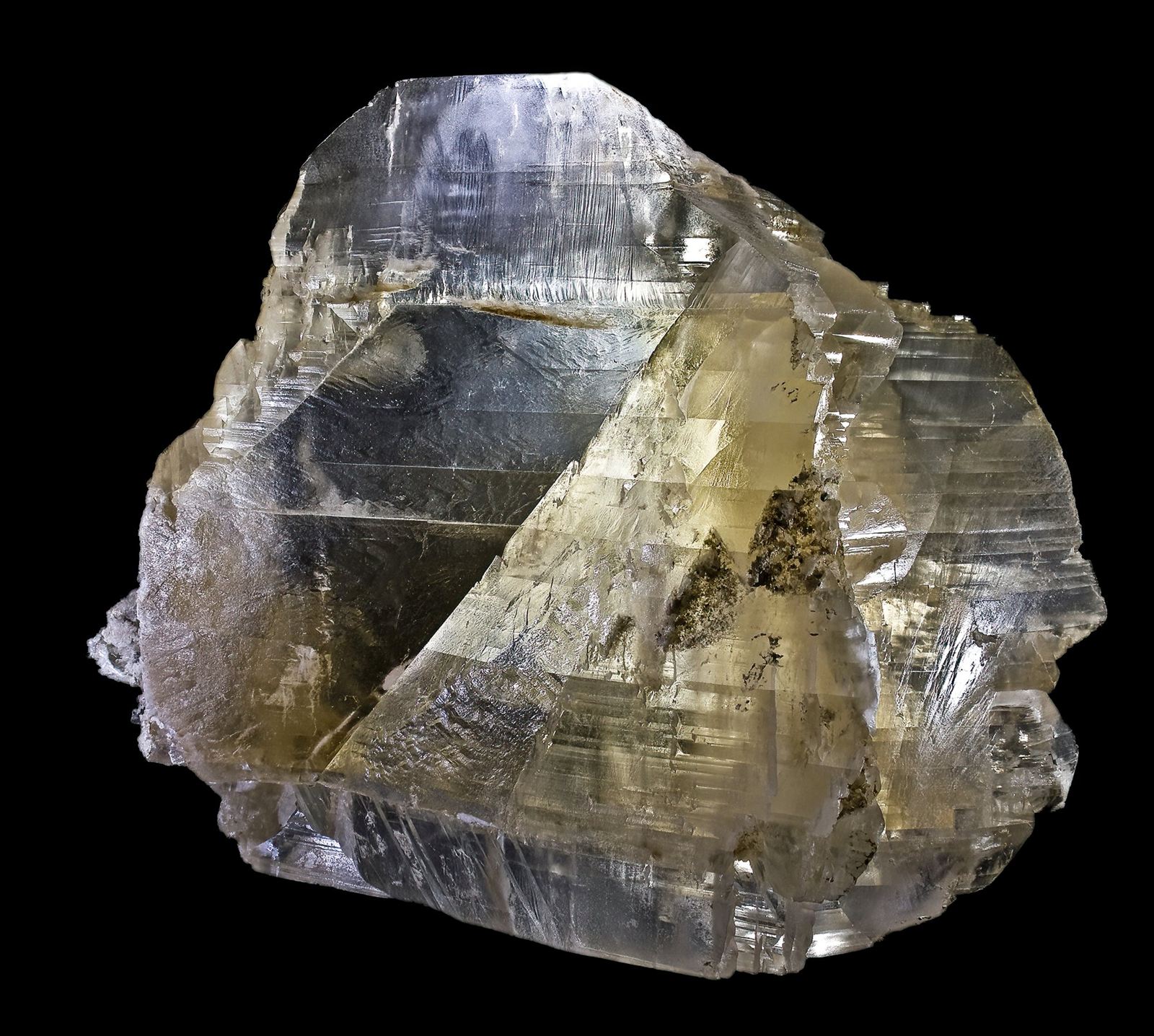
Gypsum is calcium sulfate dihydrate (CaSO4·2H2O), a soft mineral calcined to plaster and formed into paper- or glass-mat-faced board, with glass fibers added to improve fire resistance. It is the standard interior lining for walls and ceilings and the core of most rated partitions, but it cannot be used where it is exposed to direct water or continuous high humidity.
Cols
Terminology
- Gypsum board / drywall / plasterboard: paper- or glass-mat-faced gypsum panel
- Plaster of Paris: calcined gypsum (hemihydrate) that sets when mixed with water
- Calcination: heating gypsum to drive off water, forming hemihydrate then anhydrite
- Type X: fire-rated gypsum board, such as 5/8 in. Type X in industry EPDs
- Glass-mat gypsum panel: gypsum core faced with glass mat, for sheathing and moisture-prone use
- GA-216: Gypsum Association application standard for gypsum panels
- Veneer plaster: thin plaster coat over a gypsum base
History and demand
First uses in construction
- Bronze Age Crete used gypsum in buildings when wood became scarce
- Alabaster gypsum was carved in ancient Egypt and Mesopotamia
Sourcing
- 2015 world gypsum production was about 258 million metric tons, China about 132 million
Composition and production
Raw materials
- Calcium sulfate dihydrate; Mohs hardness 1.5 to 2; specific gravity 2.31 to 2.33
Manufacturing process
- Heating in air drives off water, forming calcium sulfate hemihydrate (plaster) and then anhydrous calcium sulfate; adding water reverses the reaction and the plaster sets
Product forms
- Gypsum board, glass-mat gypsum panels, fiber-reinforced panels, sheathing, veneer base, lath, and plaster
Grades and types
- Gypsum board (ASTM C1396): standard interior panel
- Fiber-reinforced panel (ASTM C1278): fiber-reinforced gypsum
- Glass mat sheathing (ASTM C1177): exterior sheathing
- Glass-mat gypsum panel (ASTM C1658): glass-mat faced
- Backing panels for tile (ASTM C1178, C1288, C1325): glass mat, fiber-cement, and fiber-mat reinforced cementitious backer units
Properties
Physical
- Specific gravity (mineral): 2.31 to 2.33
- Hardness: Mohs 1.5 to 2
Fire behavior
- Glass fibers: added to gypsum board to improve fire resistance
- Fire-resistance ratings come from tested assemblies, not the material alone
Standards
Material specifications
- ASTM C1396: gypsum board
- ASTM C1278: fiber-reinforced gypsum panels
- ASTM C1177: glass mat gypsum sheathing
- ASTM C1658: glass mat gypsum panels
- ASTM C474 and C475: joint tape and joint compound
- ASTM C840 and GA-216: application and finishing of gypsum board
- ASTM C842, C843, and C926: gypsum plaster, veneer plaster, and cement plaster application
Uses in buildings
Building elements
- Metal Stud Walls: gypsum board sheathing and lining, counted as bracing in composite height
- Gypsum Board Ceilings: suspended and direct-applied board ceilings
- Interior Plaster: gypsum plaster and veneer plaster
Pros and cons
Pros
- Glass fibers improve fire resistance
- Available as board, sheathing, and tile-backing products
- Industry-wide EPDs available
Cons
- Water-sensitive: unsuitable for direct water exposure or continuous high humidity
- Mohs hardness of 1.5 to 2, a very soft mineral
Finishes and treatments
- Joint treatment: tape and compound (ASTM C474, C475) at joints and fasteners
Sustainability
Embodied carbon
- Gypsum Association industry-wide EPDs: 5/8 in. Type X board (EPD 10270, issued April 28, 2020, expired April 2026); glass-mat panels (EPD extended to November 1, 2026); new 1/2 in. lightweight and 5/8 in. Type X EPDs released June 2026; global warming values not retrieved
Manufacturing and cost
Main manufacturers and suppliers
Trade association: Gypsum Association.
Sources
- Wikipedia: Gypsum, https://en.wikipedia.org/wiki/Gypsum
- UpCodes: 2024 IBC Chapter 25 gypsum board, gypsum panel products and plaster, https://up.codes/viewer/department-of-defense/ibc-2024/chapter/25/gypsum-board-gypsum-panel-products-and-plaster
- Gypsum Association: frequently asked questions, https://gypsum.org/faqs/
- NSF: Gypsum Association Type X EPD 10270, https://info.nsf.org/Certified/Sustain/ProdCert/EPD10270.pdf
- Wikimedia Commons: Gypse Caresse.jpg, photo by Didier Descouens (CC BY-SA 4.0), https://commons.wikimedia.org/wiki/File:Gypse_Caresse.jpg