Rooftop Solar PV
Summary
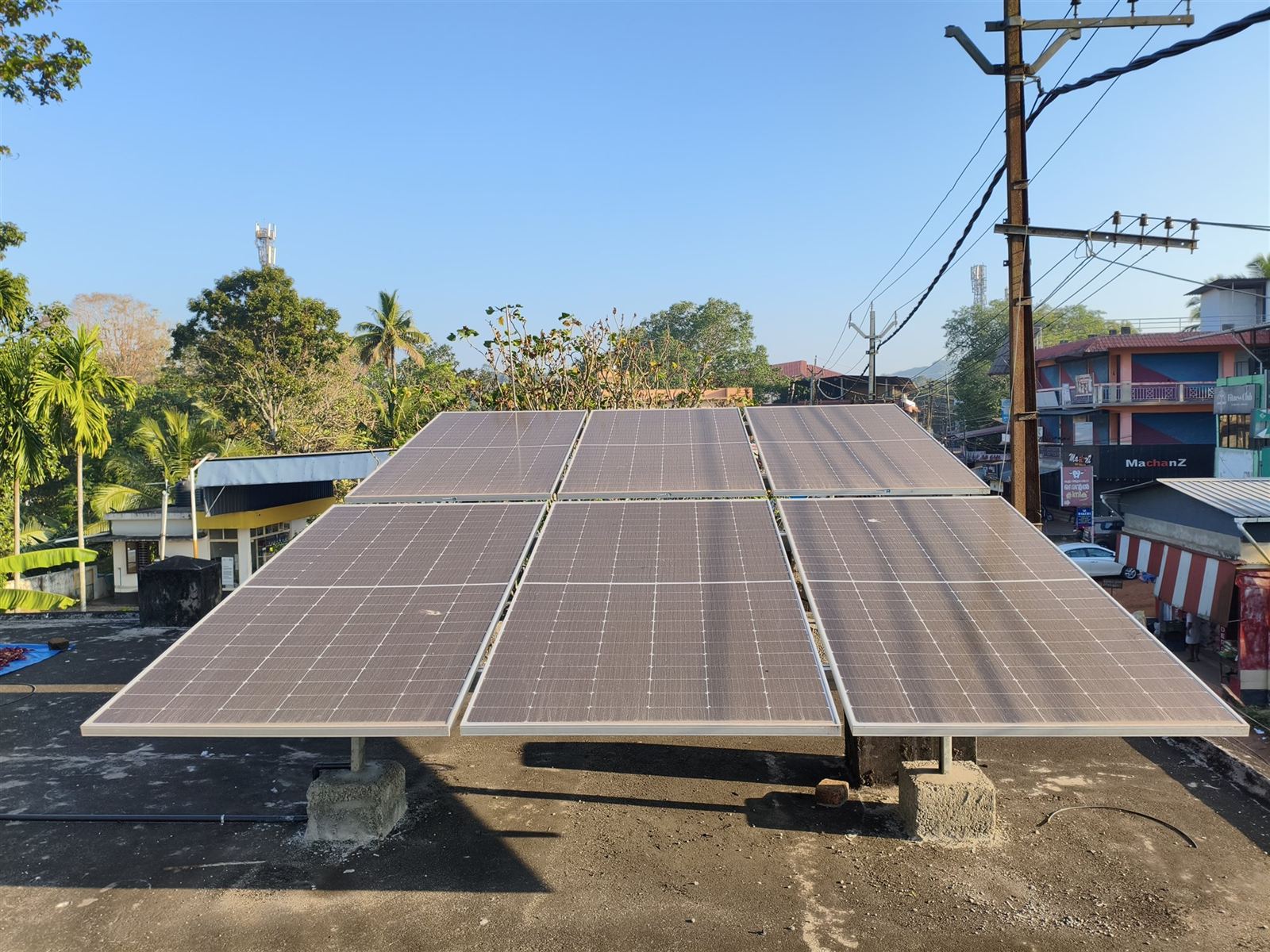
Rooftop solar PV systems use modules on ballasted, attached, or integrated racking, with string inverters, microinverters, or optimizers that convert DC to AC and connect to the building service, often with batteries. Arrays affect roof structure, wind uplift, roof warranties, fire access pathways, and rooftop equipment layout, so PV zones and setbacks should be planned with the roof design.
Cols
Terminology
- Module: framed glass panel of PV cells, rated in watts DC
- Array: group of modules on one roof area
- String inverter / microinverter / optimizer: DC-to-AC conversion options
- Rapid shutdown: reduces conductor voltage on the roof for firefighter safety
- Array boundary: limit used for rapid shutdown voltage
- Ballasted / attached racking: weighted low-slope systems or penetrating attachments
- Interconnection: connection to the service through a supply-side or load-side tap or breaker
- Net metering: utility credit for exported power
- Battery energy storage: stores PV output for backup and self-use
Standards
Ratings
- Rapid shutdown limits conductors outside the array boundary to 30 V within 30 seconds, and 80 V inside the boundary
- Roof access pathways and ridge setbacks: 18 in. on each side of a horizontal ridge for arrays up to 33 percent of plan roof area, 36 in. above that, with higher thresholds in sprinklered dwellings
- Roof fire classification maintained with the PV system
Test standards
- UL 1741 with IEEE 1547: inverters and interconnection equipment
- UL 2703: PV mounting systems and racking
- NFPA 70 (NEC): PV systems, rapid shutdown, interconnection, and storage
- ASCE 7: wind and snow loads on arrays
Components
- Modules: glass, cells, and aluminum frames
- Racking: aluminum or steel rails and attachments, or ballasted trays
- Inverters and optimizers: string, central, or module-level
- Rapid shutdown and disconnects: initiation devices and labeling
- Batteries: optional storage and backup gateways
Detailing
- Confirm roof structure for added dead load, ballast, and wind uplift
- Flash attachments into the roofing system; coordinate with roof warranty
- Keep fire access pathways, setbacks, and smoke vents clear
- Route conduit along roof edges and avoid crossing walkways
- Plan reroofing schedules; arrays are removed and reinstalled for roof replacement
Uses
Specific uses
- Single-family homes
- Warehouses and big-box retail with large low-slope roofs
- Schools and municipal buildings
- Multifamily and mixed-use buildings
- Net-zero energy buildings
Pros and cons
Pros
- On-site renewable electricity and lower utility bills
- Supports net-zero and energy code compliance
- Long module warranties
Cons
- Roof penetrations, loads, and reroofing complications
- Output limited by roof area, orientation, and shading
- Interconnection limits and changing incentives
Manufacturing and cost
Construction
- Racking and modules installed by solar contractors; electricians install inverters, rapid shutdown, and interconnection; utility approval before operation
Main manufacturers and suppliers
Trade associations: SEIA and NABCEP.
Typical costs
- Residential rooftop PV, installed: about $2.50 to $3.50 per watt before incentives, with marketplace quotes near the low end
Sources
- Portlandia Electric Supply: NEC 2026 top changes solar installers must implement, https://www.portlandiaelectric.supply/blogs/electrical-accessories/nec-2026-effective-top-changes-solar-installers-must-implement-now
- SurgePV: NEC 2026 rapid shutdown, https://www.surgepv.com/blog/nec-2026-rapid-shutdown-solar
- Douglas County, CO: 2024 IBC Appendix Chapter Q solar access provisions, https://www.douglasco.gov/wp-content/uploads/2026/06/Exhibit-E-2024-Chapter-Q.pdf
- NRG Clean Power: solar installation cost guide 2026, https://nrgcleanpower.com/learning-center/solar-installation-costs/
- UL Standards: UL 1741 inverters and interconnection equipment, https://standards.globalspec.com/std/14568376/1741
- Wikimedia Commons: Rooftop Solar Panels 3KW.jpg, by Dr. Chinchu C. (CC BY 4.0), https://commons.wikimedia.org/wiki/File:Rooftop_Solar_Panels_3KW.jpg