Phenolic
Summary
Cols
Terminology
- Novolac: formaldehyde:phenol ratio below 1; needs a curing agent
- Resole: ratio above 1, about 1.5; cures without a crosslinker
- Hexamethylenetetramine: hardener for novolac above 90°C
- Bakelite: early phenolic plastic
History and demand
Sourcing
- 2022 production: China 1.3 million tons, the United States 853,000 tons, and India 527,000 tons (IndexBox)
Composition and production
Raw materials
- Phenol and formaldehyde; base-catalyzed reaction rate peaks at about pH 10
Manufacturing process
- Resole first stage at about 70°C (158°F); cross-links on heating to about 120°C (248°F), releasing water
- Novolac bridges form with hexamethylenetetramine above 90°C (194°F)
Grades and types
- Novolac: molecular weight in the low thousands, about 10 to 20 phenol units
- Resole: one-step resin
Properties
Fire behavior
- No melting point; decomposes at 220°C (428°F) and above, the basis for weather- and boil-proof plywood
- Pyrolyzes and absorbs heat in ablative heat shields at 1,000 to 2,000°C
Uses in buildings
Building elements
- Resoles bond exterior plywood, oriented strand board, and engineered high-pressure laminate
Pros and cons
Pros
- Does not melt; boil- and weather-proof bonds
- One-step resole cures without a crosslinker
Sustainability
Recycled content and end of life
- White rot fungus and Rhodococcus phenolicus can biodegrade phenolic resin
Manufacturing and cost
Main manufacturers and suppliers
Sources
- Wikipedia: Phenol formaldehyde resin, https://en.wikipedia.org/wiki/Phenol_formaldehyde_resin
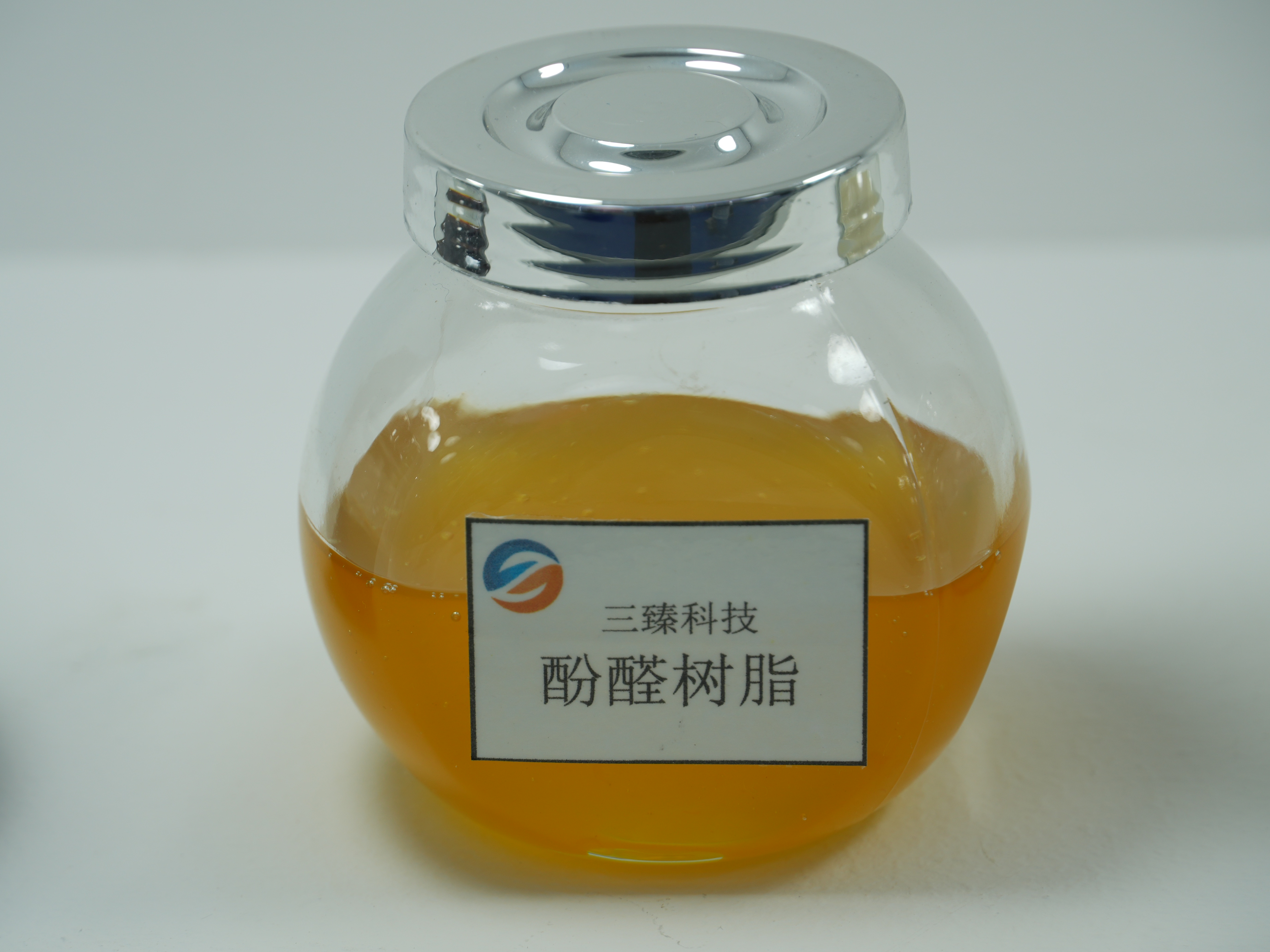
- Wikimedia Commons: Phenolic resin.jpg, photo by Acheolg (CC BY-SA 4.0), https://commons.wikimedia.org/wiki/File:Phenolic_resin.jpg
- IndexBox: phenolic resins in primary forms, market analysis, https://indexbox.co.uk/search/phenolic-resins-market/