Nickel Alloys
Summary
Nickel alloys are metals in which nickel is the main or a defining alloying element, including Monel, Inconel, nickel silver, and cupronickel. They resist corrosion in marine and chemical exposure and give a silvery-white architectural finish, but most nickel goes into stainless steel rather than nickel-base alloys.
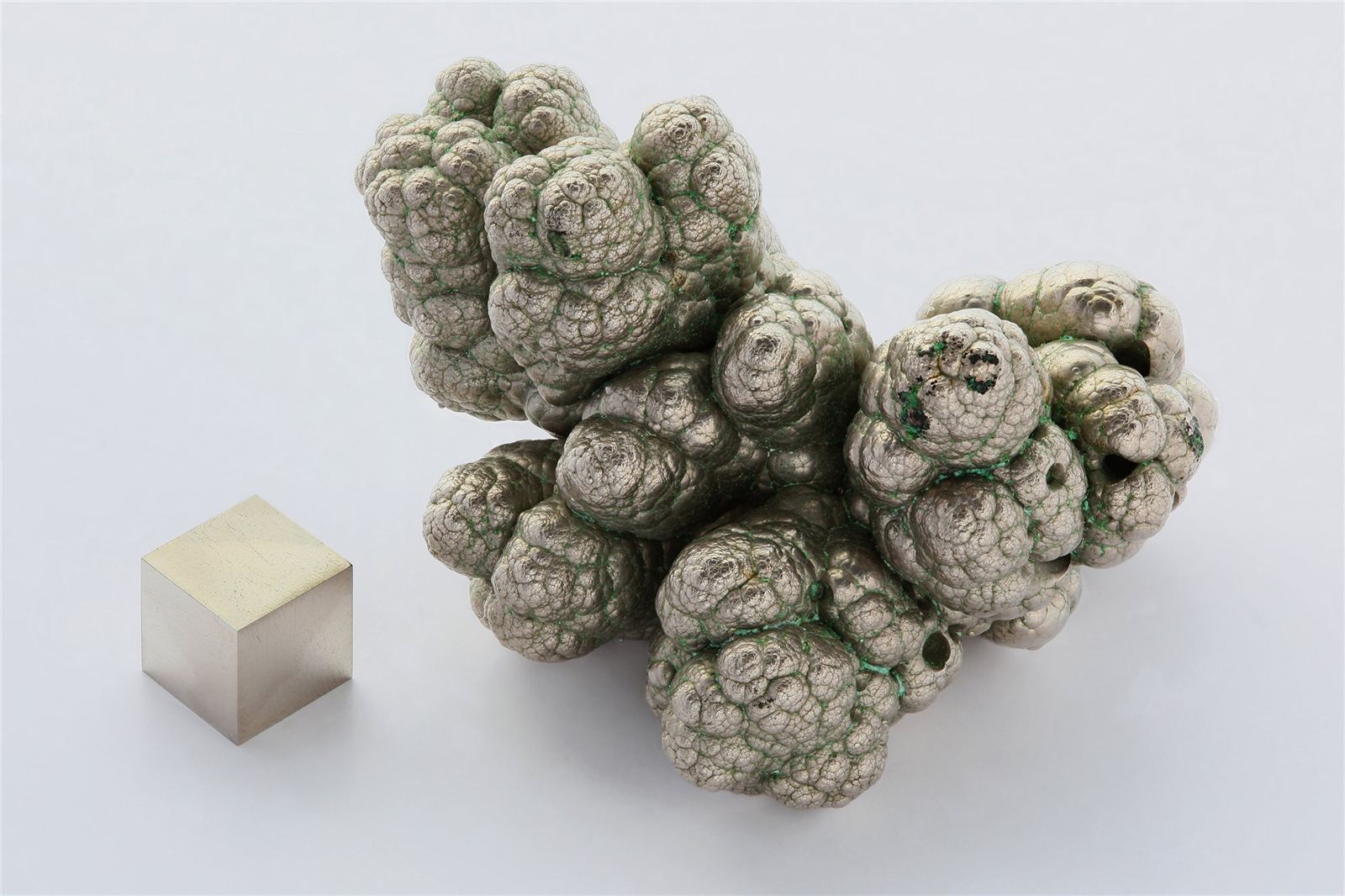
Terminology
- Monel: nickel-copper alloy, about 66 percent nickel and 31.5 percent copper
- Nickel silver: copper-nickel-zinc alloy with no silver; also white brass, German silver
- Cupronickel: copper-nickel alloys with 2 to 30 percent nickel
- Inconel, Incoloy, Nimonic, Invar, Permalloy: other named nickel alloy families
History and demand
Invention
- Monel was developed as a cheaper route to nickel silver from the sulphur-laden ores of Sudbury, Ontario
First uses in construction
- 1920s and 1930s: Monel and nickel silver used in New York architecture; nickel silver became popular in the US in the 1920s for decorative grilles, railings, and elevator doors
Sourcing
- About 3.9 million tonnes mined in 2025; Indonesia 2,600,000, Philippines 270,000, Russia 200,000, Canada 140,000, New Caledonia 140,000, China 120,000
Demand trend
- About 68 percent of nickel goes into stainless steel; construction accounts for about 10 percent
Composition and production
Raw materials
- Monel: about 66 percent nickel and 31.5 percent copper
- Nickel silver: copper, nickel, and zinc
- Cupronickel: 90/10 and 70/30 copper-nickel are common
Grades and types
- Monel: nickel-copper; mostly marine use today
- Nickel silver: silvery-white decorative copper alloy
- Cupronickel (90/10, 70/30): superior seawater corrosion resistance
- Inconel, Incoloy, Nimonic: nickel-base high-temperature and corrosion-resistant alloys
- Invar, Elinvar, Permalloy: controlled expansion and magnetic alloys
Properties
Physical
- Density (pure nickel): 8.907 g/cm³ (556 lb/ft³)
- Melting point (pure nickel): 1,455°C (2,651°F)
Durability
- Nickel oxide passivation layer slows further corrosion
Uses in buildings
Building elements
- Guards and Railings: nickel silver and Monel railings
- Architectural Metal Trim: grilles and elevator and door trim
- Metal Wall Panels: Monel cladding on historic buildings
Pros and cons
Pros
- Resists corrosion, including seawater (cupronickel)
- Silvery-white appearance without plating
Cons
- Nickel can cause allergic reactions in contact with skin
- Nickel supply concentrated in Indonesia (about 2.6 of 3.9 million tonnes)
Sustainability
Health
- Nickel-plated objects sometimes cause nickel allergy
- Tolerable upper intake 1 mg/day as soluble nickel salts
Manufacturing and cost
Main manufacturers and suppliers
Trade association: Nickel Institute.
Sources
- Wikipedia: Nickel, https://en.wikipedia.org/wiki/Nickel
- Wikipedia: Monel, https://en.wikipedia.org/wiki/Monel
- Nickel Institute: Historic Monel, https://nickelinstitute.org/en/blog/2021/march/historic-monel-the-alloy-that-time-forgot/
- Art Deco Society of New York: Art Deco architecture materials, https://www.artdeco.org/art-deco-architecture-materials
- Britannica: Cupronickel, https://britannica.com/technology/cupronickel
- Wikimedia Commons: Nickel electrolytic and 1cm3 cube.jpg, photo by Alchemist-hp (FAL), https://commons.wikimedia.org/wiki/File:Nickel_electrolytic_and_1cm3_cube.jpg