Ductless Mini-Split Heat Pumps
Summary
Ductless mini-split heat pumps use an inverter outdoor unit connected by refrigerant lines to wall, ceiling cassette, floor, or small concealed-ducted indoor units, in single-zone or multi-zone configurations. They are efficient, quiet, and easy to add without ducts, but sizing, cold-climate capacity, head placement, condensate, and line-set routes must be planned for good comfort.
Cols
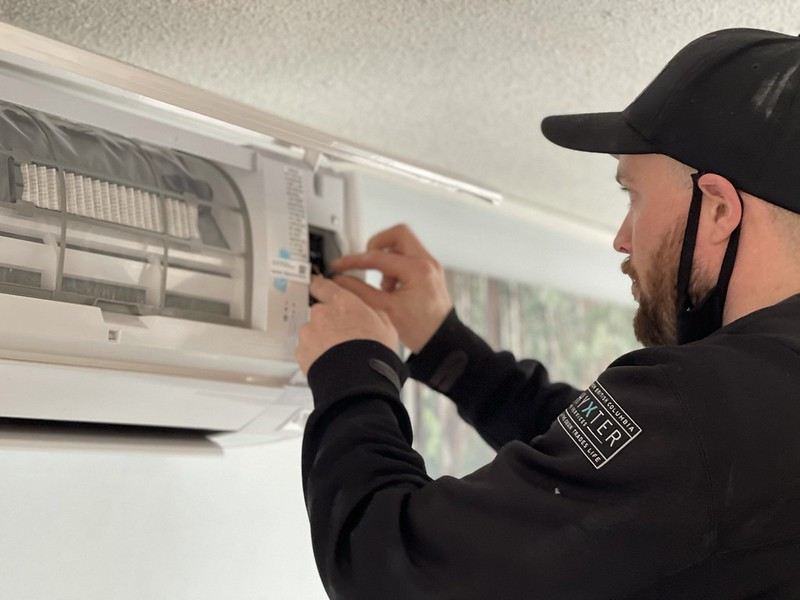
Terminology
- Single-zone / multi-zone: one indoor unit per outdoor unit, or several indoor units on one outdoor unit
- Indoor head: wall-mounted, ceiling cassette, floor console, or concealed ducted unit
- Line set: insulated copper refrigerant lines with power and control wiring
- Inverter compressor: variable-speed compressor matching capacity to load
- Cold-climate heat pump: model rated to keep capacity at low outdoor temperatures
- SEER2 / HSPF2: cooling and heating efficiency ratings under current test procedures
- Turndown: ratio of maximum to minimum capacity
- Condensate pump: pump for heads without gravity drainage
Standards
Ratings
- Minimum ratings for split heat pumps about SEER2 14.3 and HSPF2 7.5 (2026)
- Mainstream units about SEER2 20 to 26; premium single-zone units 26 and higher
- Cold-climate models listed on the NEEP cold-climate heat pump list with capacity at 5 degrees F
Test standards
- AHRI 210/240: unitary air conditioner and heat pump ratings
- UL 60335-2-40: equipment safety including A2L refrigerants
- ASHRAE 15: refrigerant safety
Components
- Outdoor unit: inverter compressor, coil, and fan
- Indoor units: fan, coil, filter, and controls
- Line sets: copper piping and communication wiring
- Controls: remote, wall controller, or smart thermostat interfaces
- Mounting: wall brackets, pads, or roof stands with snow clearance
Detailing
- Size from a load calculation; avoid oversizing heads in small rooms
- Place wall heads to throw air across the room without blowing on occupants
- Route line sets and condensate inside walls or covered chases
- Raise outdoor units above snow and protect from drifting
- Provide ventilation air separately; mini-splits recirculate room air only
Uses
Specific uses
- Homes without ducts and additions
- Multifamily units
- Server rooms and electrical rooms
- Small offices and retail suites
- Retrofit of electric resistance or fossil fuel heating
Pros and cons
Pros
- High efficiency and quiet operation
- No ductwork losses
- Room-by-room control
- Fast installation
Cons
- Visible indoor heads
- Multi-zone systems lose efficiency when oversized
- Separate ventilation needed
- Filters need frequent cleaning by occupants
Manufacturing and cost
Construction
- Outdoor unit set; line sets run and brazed or flared; system evacuated and charged
- Indoor heads mounted; condensate and power connected
Main manufacturers and suppliers
Trade association: AHRI.
Typical costs
- Single zone, standard climate, installed: $3,500 to $7,500
- Single zone, cold-climate or premium: $5,500 to $12,000
- Two to three zones: $7,500 to $15,000 and up; four to five zones: $12,000 to $25,000 and up
- Ceiling cassettes and concealed units add about $500 to $2,000 per zone over wall heads
Sources
- PickHVAC: mini-split heat pump cost and installation, https://www.pickhvac.com/ductless-heat-pump-cost-mini-split-prices-installation/
- Budget Heating: mini-split installation cost 2026, https://www.budgetheating.com/how-much-does-it-cost-to-install-a-mini-split-in6/
- Filterbuy: mini-split cost, https://filterbuy.com/heating-cooling/mini-splits/cost/mini-split-cost/
- HVAC Base: best mini-split heat pumps (cold-climate data), https://www.hvacbase.org/best-mini-split-heat-pumps
- Sweets: Division 23 HVAC (23 81 26), https://sweets.construction.com/BrowseByDivision/Heating, Ventilating, and Air-Conditioning (HVAC)
- Wikimedia Commons: Ductless Mini Split Heat Pump Installation.jpg, by Vernon Air Con (CC BY-SA 4.0), https://commons.wikimedia.org/wiki/File:Ductless_Mini_Split_Heat_Pump_Installation.jpg