Polyurethane
Summary
Polyurethane is formed by reacting a diisocyanate with a polyol, giving flexible and rigid foams, coatings, adhesives, sealants, and elastomers. Rigid closed-cell foam and resinous coatings are its main building uses, and isocyanate exposure and combustibility govern handling and protection.
Terminology
- PUR / PIR: polyurethane / polyisocyanurate (PIR boardstock insulation)
- TDI / MDI: aromatic diisocyanates; HDI, IPDI, H12MDI are aliphatic, used where color stability matters
- Polyol: polyether or polyester alcohol reacted with the isocyanate
- Urethane (carbamate) link: the bond joining the units
- Blowing agent: gas source for foam cells (CO2, pentane, or HFCs after the early 1990s)
- Closed-cell / open-cell: foam cell structures for rigid insulation / cushions
History and demand
Invention
- 1937: Otto Bayer and coworkers at IG Farben, Leverkusen, first made polyurethanes
- 1952: polyisocyanates commercially available; 1954: flexible foam production began; 1956 to 1957: polyether glycols introduced by DuPont, BASF, and Dow
First uses in construction
- Rigid foams became high-performance insulation after chlorofluoroalkane blowing agents, cheaper polyether polyols, and MDI became available; the Montreal Protocol moved blowing agents to CO2, pentane, and HFCs by the late 1990s
Sourcing
- China holds about 45 percent of global MDI and TDI capacity (industry analysis); Wanhua Chemical is the largest TDI producer at 1.47 million tonnes a year by the end of 2025
Demand trend
- Global production about 25 million tonnes in 2019, roughly 6 percent of all polymers; foams were 67 percent of production in 2016
- Research into bio-derived polyols and isocyanate-free polyhydroxyurethanes is under way
Composition and production
Raw materials
- Diisocyanate (or polymeric isocyanate) plus polyol; higher molecular weight polyols give flexible products, lower molecular weight give rigid ones
- Chain extenders, crosslinkers, catalysts, and surfactants adjust processing and properties
Product forms
- Flexible and rigid foams, coatings, adhesives, sealants, electrical potting compounds, elastomers, and fibers
Properties
Thermal and moisture
- Closed-cell rigid foams serve as thermal insulation
Fire behavior
- Combustible; fires can release carbon monoxide, hydrogen cyanide, nitrogen oxides, and isocyanates
- Flame retardants are typically added, especially for furniture; almost all are considered harmful
Uses in buildings
Building elements
- Resinous Flooring: aliphatic urethane topcoats with UV stability and abrasion resistance
- Wall and Roof Insulation: rigid foam boards, polyisocyanurate boardstock, and spray foam
- Sealants and Flashing: sealants and gaskets
Pros and cons
Pros
- Closed-cell rigid foam is a thermal insulation
- Wide range of forms from soft foam to elastomers
- Aliphatic isocyanates keep color stable in coatings
Cons
- Combustible, with toxic combustion products
- Isocyanates are skin and respiratory sensitizers
- Flame retardants raise health concerns
Sustainability
Health
- Isocyanates are skin and respiratory sensitizers (OSHA); amines, glycols, and phosphates in spray foams also pose risks
- Fully reacted polyurethane is not regulated by OSHA for carcinogenicity
Manufacturing and cost
Main manufacturers and suppliers
Trade association: American Chemistry Council.
Sources
- Wikipedia: Polyurethane, https://en.wikipedia.org/wiki/Polyurethane
- UpCodes: 2024 IBC Chapter 26 plastic, https://up.codes/viewer/department-of-defense/ibc-2024/chapter/26/plastic
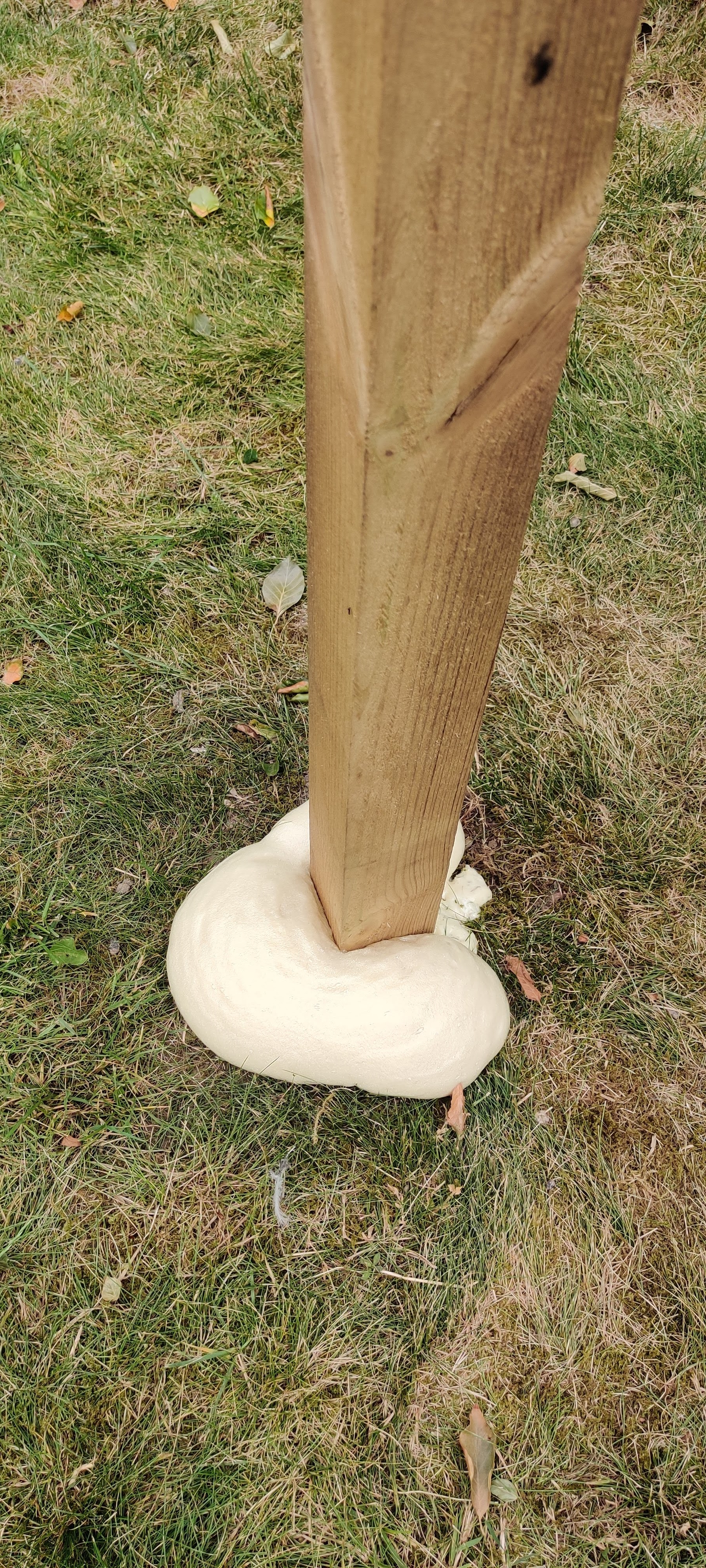
- Wikimedia Commons: Backfill of polyurethane foam.jpg, photo by Hmshare (CC BY-SA 4.0), https://commons.wikimedia.org/wiki/File:Backfill_of_polyurethane_foam.jpg
- Faxiang Gongchang: China MDI and polyurethane, 2025 global capacity, https://faxiangongchang.com/en/reports/china-mdi-polyurethane-2026