Mineral Wool
Summary
Mineral wool is a group of insulating fibers spun from molten rock or blast furnace slag, 2 to 6 microns in diameter. It insulates thermally and acoustically and withstands high temperatures, which is why it is the usual fire-resistive insulation in rated assemblies.
Cols
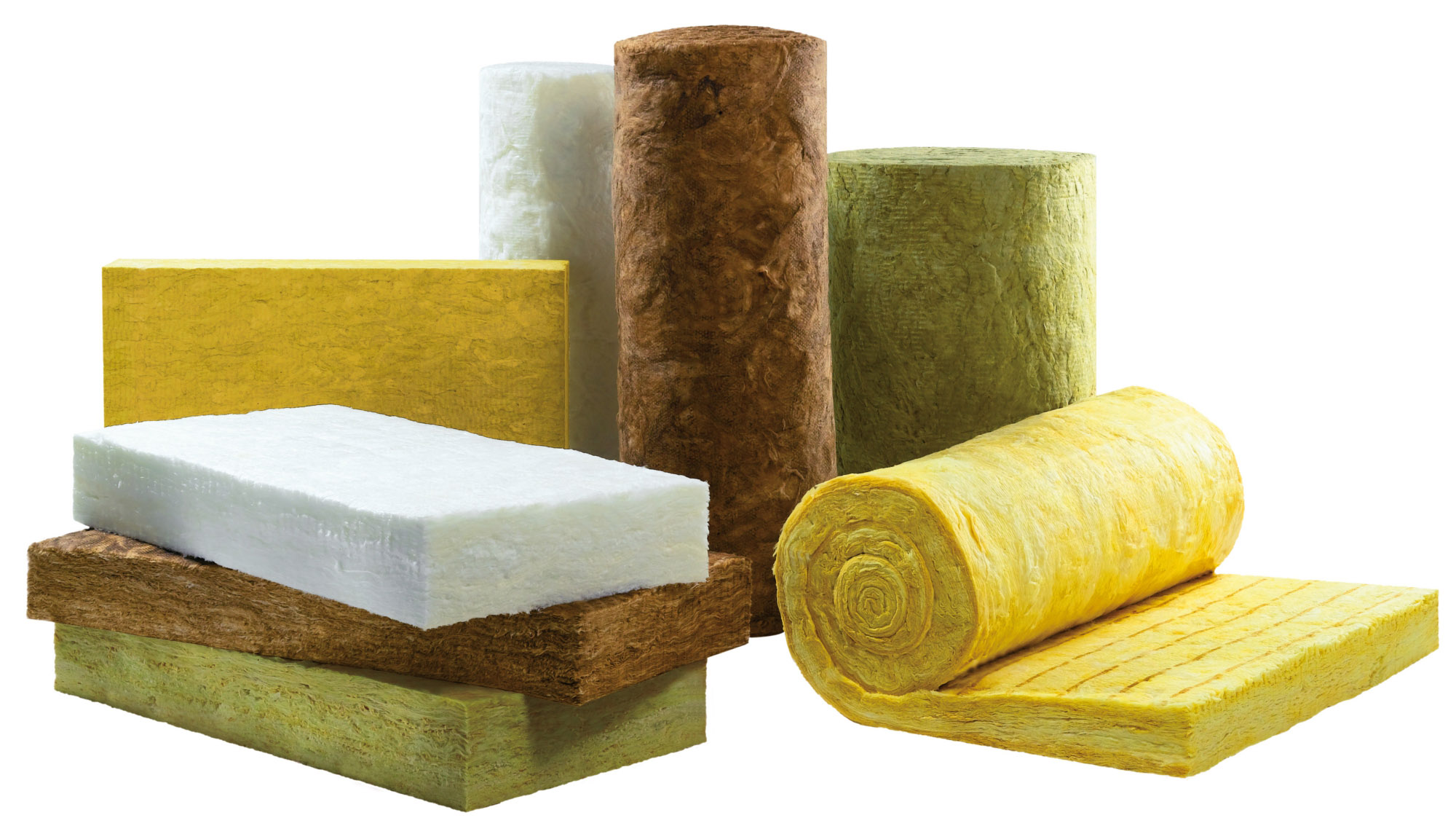
Terminology
- Stone wool / rock wool: fibers from melted rock, about 1,600°C (2,910°F)
- Slag wool: fibers from blast furnace slag
- Glass wool: fibers from recycled glass; lower heat resistance
- Refractory ceramic fiber: high-temperature wool for use above 1,000°C
History and demand
Invention
- 1840: slag wool first made in Wales
- 1871: commercial production began at Georgsmarienhutte, Germany (US patent 1870)
- 1934: Canadian rock wool production began at Thorold, Ontario
- 1942: high-temperature wool invented in the US; commercially viable around 1953
Sourcing
- Europe held about 37 percent of the global mineral wool market in 2025; Rockwool (Denmark), Saint-Gobain, and Knauf Insulation are leading producers (market research)
Composition and production
Raw materials
- Rock or blast furnace slag, melted and spun into fibers
Manufacturing process
- Stone wool melts at about 1,600°C (2,910°F); spun from a source at 1,650°C (3,000°F)
Properties
Physical
- Fiber diameter: 2 to 6 µm
Thermal and moisture
- Thermal conductivity: 0.030 to 0.045 W/(m·K), about R-3.2 to R-4.8 per inch
Fire behavior
- Heat resistance: glass wool 230 to 260°C (446 to 500°F); stone wool 700 to 850°C (1,290 to 1,560°F); ceramic fiber wool 1,200°C (2,190°F)
Uses in buildings
Building elements
- Wall and Roof Insulation: batts and boards
- Fire-Rated Assemblies: fire-resistive insulation in rated walls and floors
- Acoustics: sound absorption in walls and ceilings
Pros and cons
Pros
- Higher heat resistance than glass wool
- Thermal and acoustic insulation in one product
- Slag and stone wool are IARC Group 3
Cons
- Fibers irritate skin and airways
- Refractory ceramic fibers are IARC Group 2B
Sustainability
Health
- IARC (2002, Vol. 81): stone, slag, and insulation glass wool Group 3; refractory ceramic fibers Group 2B
- OSHA limit 15 mg/m3 total and 5 mg/m3 respirable (8 hours); NIOSH 5 mg/m3 total and 3 fibers/cm3
Manufacturing and cost
Main manufacturers and suppliers
Sources
- Wikipedia: Mineral wool, https://en.wikipedia.org/wiki/Mineral_wool
- Wikimedia Commons: Arrangement Mineralwolle.jpeg, photo by FMI Fachverband Mineralwolleindustrie (CC BY-SA 3.0 de), https://commons.wikimedia.org/wiki/File:Arrangement_Mineralwolle.jpeg