Wiring Devices
Summary
Wiring devices are the receptacles, switches, dimmers, ground-fault and arc-fault devices, and cover plates mounted in outlet boxes on walls, floors, and furniture. Device locations and mounting heights affect accessibility, furniture layouts, and finishes, so they should be coordinated with interior elevations, casework, and reach ranges.
Cols
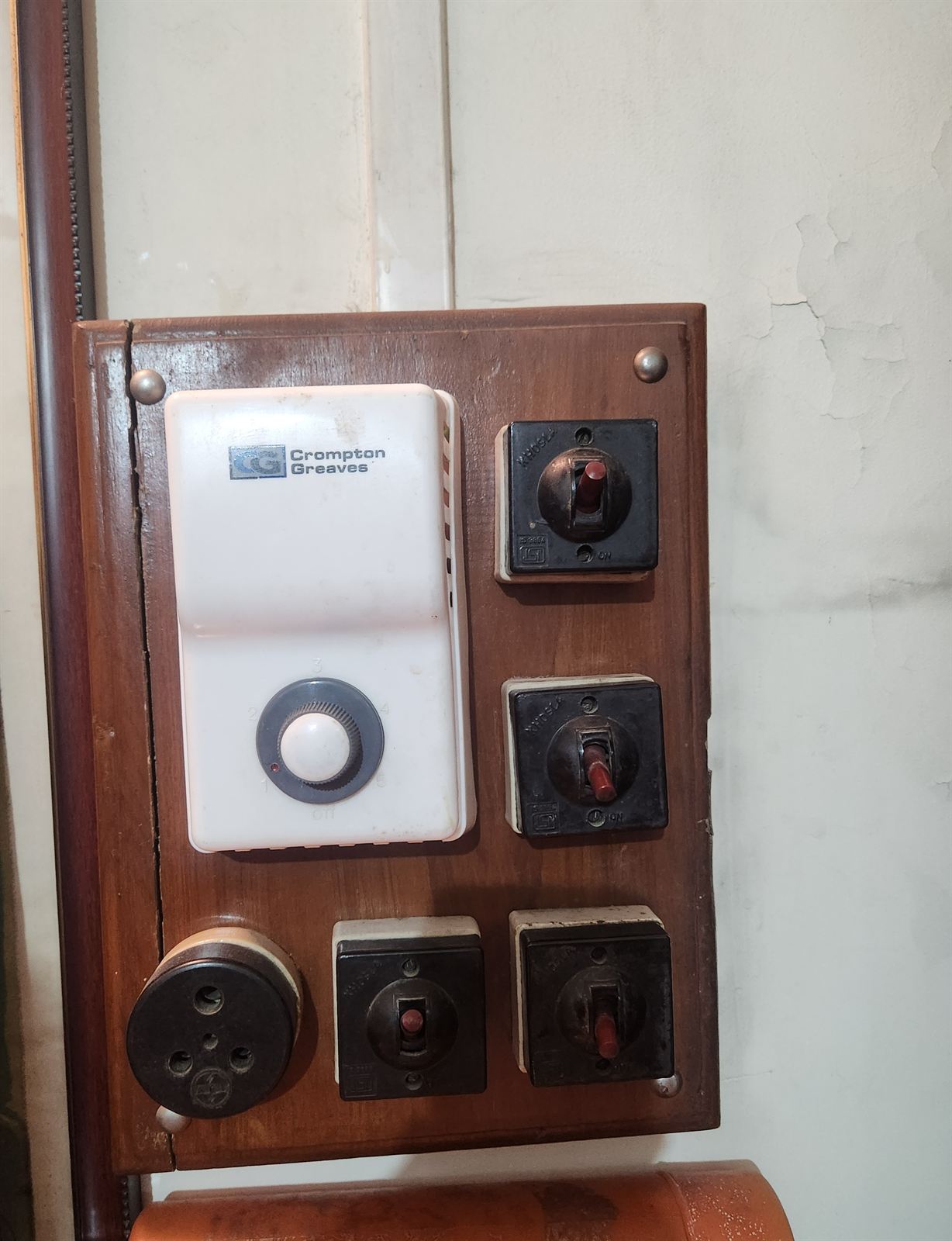
Terminology
- Duplex receptacle: two-outlet device; 15 A or 20 A, 125 V
- GFCI: ground-fault circuit interrupter protecting people from shock
- AFCI: arc-fault circuit interrupter protecting against arcing faults
- Tamper-resistant receptacle: shutters block foreign objects
- Weather-resistant receptacle: for damp and wet locations, with in-use covers
- Decorator / toggle: rectangular rocker or traditional switch styles
- Dimmer / occupancy sensor switch: control devices in switch boxes
- Floor box / poke-through: floor-mounted devices for open offices
- Controlled receptacle: switched or automatically controlled receptacle for energy codes
Standards
Ratings
- GFCI protection required in wet and other listed locations; 2026 NEC expands nondwelling GFCI locations and adds special-purpose GFCI classes
- Operable parts within accessible reach ranges: 15 in. minimum and 48 in. maximum above the floor for unobstructed forward or side reach
- Grade: residential, commercial specification, and hospital grade
Test standards
- UL 943: ground-fault circuit interrupters
- NFPA 70 (NEC): receptacles, GFCI, and AFCI requirements
- 2010 ADA Standards: reach ranges for operable parts
Components
- Device: receptacle, switch, GFCI, AFCI, USB, or dimmer
- Box: metal or nonmetallic outlet box
- Wall plate: nylon, stainless steel, or metal
- Covers: weatherproof and in-use covers outdoors
Detailing
- Coordinate outlet heights and locations with casework, backsplashes, and furniture
- Keep operable parts within accessible reach ranges
- Use in-use covers and weather-resistant devices outdoors
- Avoid back-to-back boxes in rated and acoustic walls; offset or protect boxes
- Specify device color and plate finish with interiors
Uses
Specific uses
- General-purpose receptacles in all occupancies
- Kitchen, bath, and wet-location GFCI outlets
- Open-office floor boxes and furniture feeds
- Hospital-grade receptacles in patient care
- Lighting switches and dimmers
Pros and cons
Pros
- Inexpensive, standardized, and replaceable
- GFCI and AFCI devices improve safety
- Wide finish and color options
Cons
- Visual clutter if poorly coordinated
- Box penetrations affect fire and acoustic ratings
- Nuisance tripping with some GFCI and AFCI devices
Manufacturing and cost
Construction
- Boxes roughed in with framing; devices and plates installed after finishes
Main manufacturers and suppliers
Trade associations: NEMA and NFPA.
Sources
- Interstates: NEC 2026 changes, key updates to know (210.8 GFCI), https://www.interstates.com/resources/blog/nec-2026-changes-key-updates-to-know
- IAEI Magazine: NEC 2026 significant code changes, https://iaeimagazine.org/standards/nec-2026-significant-code-changes/
- Newfoundland and Labrador: Division 26 master specification index (26 27 26 wiring devices), https://www.gov.nl.ca/ti/works/masterspec/div26
- Corada: 2010 ADA Standards Section 308 reach ranges, https://www.corada.com/documents/2010ADAStandards/308
- Wikimedia Commons: Antique Light Switch - Power Outlet & Fan Regulator.jpg, by Amitbalani (CC0), https://commons.wikimedia.org/wiki/File:Antique_Light_Switch_-_Power_Outlet_&_Fan_Regulator.jpg