Fiberglass Windows
Summary
Fiberglass windows have frames and sashes made by pultrusion, pulling glass fibers through resin into hollow profiles that expand at nearly the same rate as glass. They combine slim, strong frames, low thermal movement, dark-color stability, and low maintenance at a cost between vinyl and clad wood, making them a strong choice for demanding climates.
Cols
Terminology
- Pultrusion: continuous process pulling glass rovings and mats through a resin bath and heated die
- Composite window: broad term; may mean fiberglass, wood-fiber composite, or blends
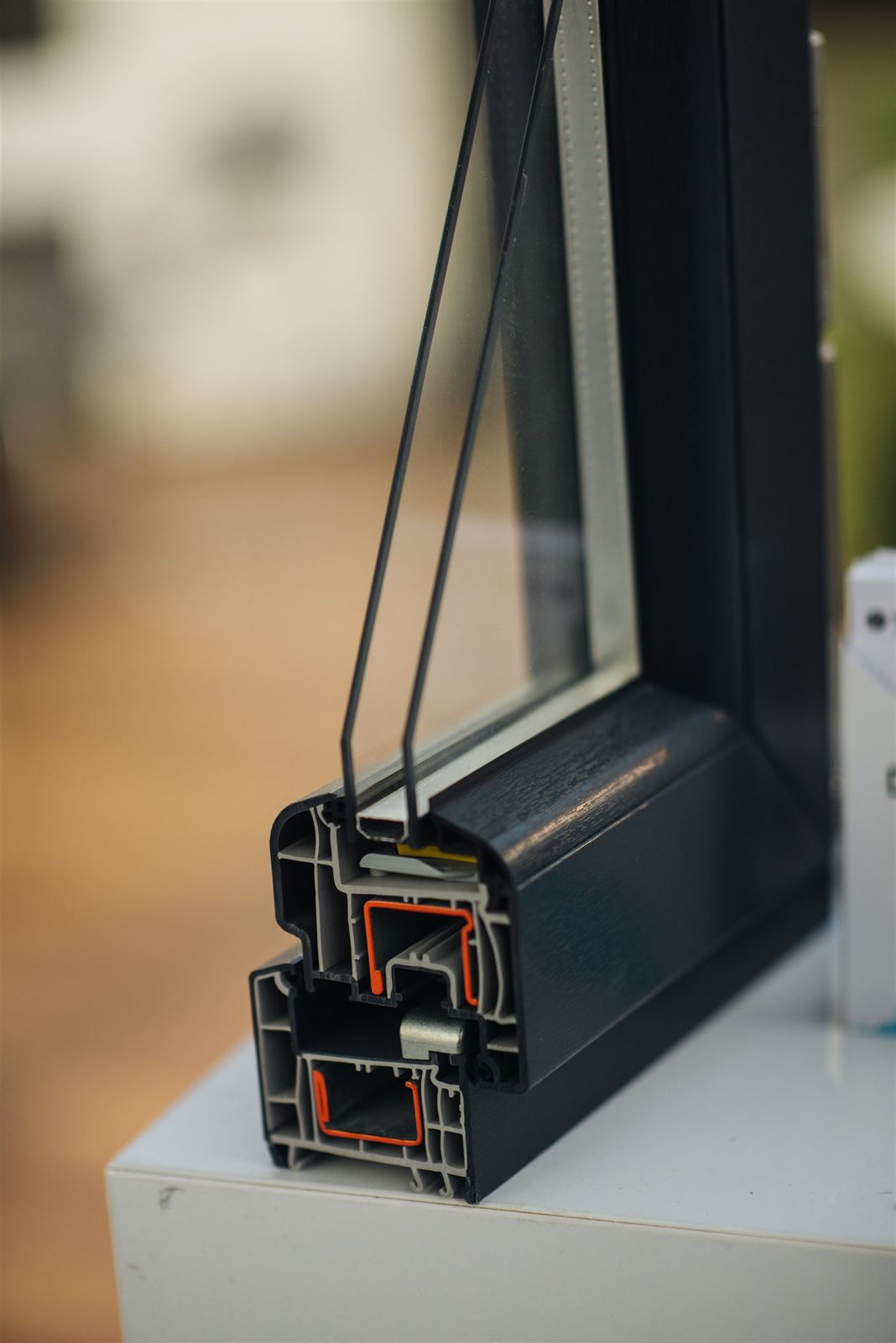
- Foam-filled frame: insulated hollow chambers for lower U-factors
- Coefficient of thermal expansion: fiberglass is close to glass, so seals stay stable
- Factory finish: baked or powder-coated paint; paintable in the field
- Wood interior option: fiberglass exterior with wood veneer or wood interior trim
- Triple-glazed: three-pane IGUs common in high-performance fiberglass lines
Standards
Ratings
- NAFS class: R, LC, and CW lines; some fixed units higher
- Thermal: frames insulate well; with triple glazing, whole-window U-factors suitable for passive house projects
- Dimensional stability: much lower movement than vinyl; dark colors stable
Test standards
- AAMA/WDMA/CSA 101/I.S.2/A440 (NAFS-22)
- AAMA 305: fiber-reinforced thermoset profiles
- NFRC 100, 200, and 400
Materials
- Pultruded fiberglass: frames and sashes
- Finishes: factory paint or powder coat; field repaintable
- Interiors: painted fiberglass or wood veneer
- Glazing: double or triple low-E IGUs; laminated where required
Detailing
- Flash and install like other nail-fin or block-frame windows; sill pans with back dams
- Use frame stiffness to reduce mullion size in large mulled assemblies
- Specify triple glazing and warm-edge spacers where condensation and comfort matter
- Coordinate field-paint compatibility if colors may change
Uses
Specific uses
- Cold and hot climates with large temperature swings
- Dark exterior colors where vinyl would warp
- High-performance and passive house housing
- Multifamily and light commercial needing slimmer frames than vinyl
- Coastal sites (no rot, rust, or corrosion)
Pros and cons
Pros
- Low thermal movement; stable seals and dark colors
- Strong, slim frames; larger sizes than vinyl
- Low maintenance; no rot or corrosion
- Good thermal performance
Cons
- Costs more than vinyl
- Fewer manufacturers and styles than vinyl or wood
- Field-cut ends and damaged finishes need repair
- Combustibility treatment varies by product; check for commercial use
Manufacturing and cost
Construction
- Profiles pultruded, cut, and joined with corner keys, adhesives, and screws
- Finished, glazed, and fitted with hardware at the factory
Main manufacturers and suppliers
- Marvin (Infinity and Elevate lines)
- Pella
- Milgard
- Andersen
- Alpen High Performance Products
- Cascadia Windows and Doors
Trade association: Fenestration and Glazing Industry Alliance.
Typical costs
- Fiberglass window, installed: $1,100 to $2,200 per window; budget lines from about $500
- Frame and sash only: about $250 to $600 per window
Sources
- Pella: replacement window cost by material, 2026, https://www.pella.com/ideas/windows/replacement-window-cost/
- Infinity from Marvin: vinyl vs. fiberglass windows, https://infinitywindows.com/blog/vinyl-vs-fiberglass-windows
- Inspect and Test: vinyl vs. fiberglass windows, https://inspectandtest.net/guides/vinyl-vs-fiberglass-windows/
- Oknoplast: window cost by material, https://oknoplast.us/?p=25119
- Sweets: 08 00 00 openings, https://sweets.construction.com/masterformat/companies/08-00-00-openings
- Wikimedia Commons: Detailed view of a cross-section of a modern window frame shows multiple materials and insulation layers.jpg, by Shixart1985 (CC BY 2.0), https://commons.wikimedia.org/wiki/File:Detailed_view_of_a_cross-section_of_a_modern_window_frame_shows_multiple_materials_and_insulation_layers.jpg