Neoprene
Summary
Neoprene is polychloroprene, a synthetic rubber made by free-radical emulsion polymerization of chloroprene. It tolerates harsh service and carries heavy loads in bearing pads, but UV exposure reduces its mechanical properties.
Cols
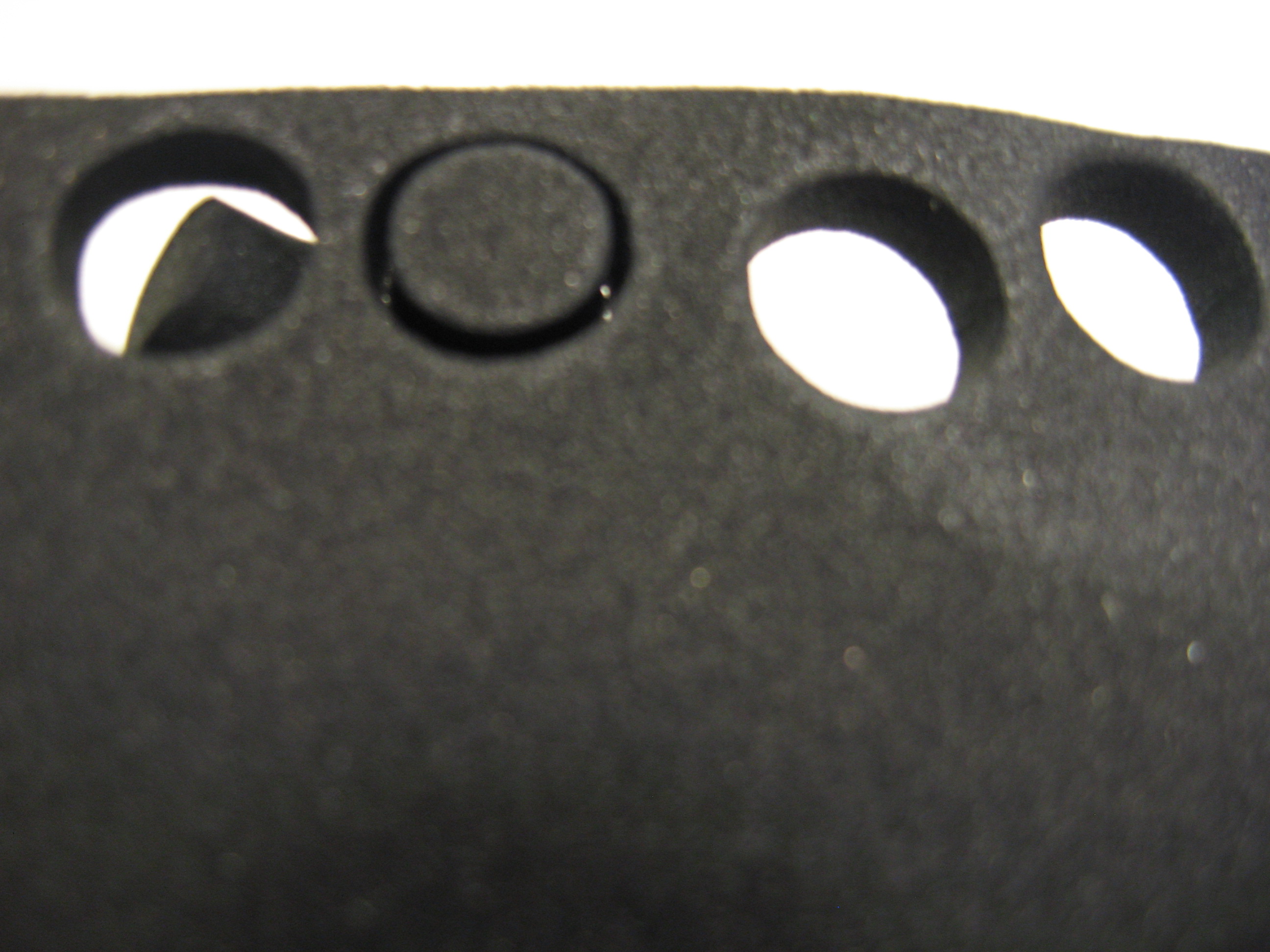
Terminology
- Polychloroprene (CR): chemical name
- DuPrene: original 1931 trade name
- ETU: ethylene thiourea, a vulcanization accelerator and reproductive toxin
History and demand
Invention
- 1930: invented by DuPont (17 April); marketed as DuPrene in 1931; renamed neoprene in 1937
- 1932: about 8,000 lb produced; 1933: about 52,000 lb; output then doubled annually for five years
Sourcing
- Named chloroprene rubber producers include Denka (Japan), ARLANXEO, and Tosoh; Shanxi Synthetic Rubber Group in China has 30,000 tons of polychloroprene capacity (market research)
Composition and production
Raw materials
- Chloroprene polymerized with potassium persulfate; cross-linked with zinc oxide, bifunctional nucleophiles, or thioureas
Properties
Physical
- Density: 1.23 g/cm3 (77 lb/ft3) solid; 0.1 to 0.3 g/cm3 foam
- Glass transition: -43°C (-45°F)
- Hardness: Shore 30 to 95
Mechanical
- Tensile strength: 27.6 MPa (4,000 psi)
- Elongation: 600 percent
Fire behavior
- Burn point about 260°C (500°F)
Durability
- Resists degradation better than natural or synthetic rubber; UV exposure reduces mechanical properties
Uses in buildings
Building elements
- Sealants and Flashing: weatherstripping, including for fire doors, and flashings
- Elastomeric bridge bearings carry heavy loads while allowing small horizontal movement
- Liquid- and sheet-applied elastomeric membranes, including roofing
Pros and cons
Pros
- Tolerates harsh conditions
- Bridge bearings carry heavy load with small movement
Cons
- UV reduces mechanical properties
- Some people are allergic; thiourea residues cause dermatitis
Sustainability
Health
- ETU is classed as a reproductive toxin; the SafeRubber project (2010 to 2013) sought a safer alternative
Manufacturing and cost
Main manufacturers and suppliers
Sources
- Wikipedia: Neoprene, https://en.wikipedia.org/wiki/Neoprene
- Wikimedia Commons: Neoprene.jpg, photo by ProtoSpace (CC BY 2.0), https://commons.wikimedia.org/wiki/File:Neoprene.jpg
- MarketResearch.com: chloroprene rubber (CR) industry research report, https://marketresearch.com/APO-Research-Inc-v4273/Chloroprene-Rubber-CR-Research-37883287