Fixed Windows
Summary
Fixed windows are glazed units with no operable sash, either glazed directly into the frame (direct-set) or set as a fixed sash, in any frame material and in shapes from rectangles to arches. They give the best air tightness, thermal performance, and cost per sq ft of any window, so they suit large view glass, but rooms still need operable units for ventilation and egress.
Cols
Terminology
- Direct-set (direct-glazed): glass set straight into the frame with no sash; slimmest sightline
- Fixed sash: non-operable sash matching adjacent operable units' profiles
- Picture window: large single fixed lite, often flanked by operable units
- Transom / sidelite: fixed units above or beside doors and windows
- Shape unit: circle, half-round, trapezoid, or other non-rectangular fixed window
- Mull / mullion: joint or member that couples units into a composite
- IGU: insulating glass unit; double or triple pane with sealed spacer
- Low-E: low-emissivity coating that controls heat transfer
- Warm-edge spacer: low-conductance IGU spacer that reduces edge condensation
- NFRC label: certified U-factor, SHGC, visible transmittance, and air leakage
- DP / PG: design pressure and performance grade from NAFS testing
- Glazing stop / bead: removable trim holding glass in the frame
Standards
Sizes
- Sizes limited by glass size, glass weight, wind load, and shipping rather than hardware
- Large lites need heat-strengthened or tempered glass where thermal stress or wind load requires
- Standard rough openings in 2 in. or 6 in. increments for residential lines; custom sizes common
Ratings
- NAFS performance class: R, LC, CW, or AW, chosen for the building type; fixed units reach the highest classes in each frame material
- Performance grade: design pressure rating tested for structure, water, and air
- Air leakage: lowest of any window type, since there is no operable sash seal
- Thermal: U-factor and SHGC set mainly by glazing; fixed units carry the best ratings in a product line
Test standards
- AAMA/WDMA/CSA 101/I.S.2/A440 (NAFS-22 current): window performance and labeling
- ASTM E283, E331, E330: air, water, and structural tests
- NFRC 100 and 200: U-factor and SHGC
- ASTM E1300: glass thickness for wind load
- ASTM E1886 and E1996: impact resistance in windborne debris regions
Materials
- Vinyl: lowest cost; residential and multifamily
- Fiberglass: stable, strong frames for large fixed lites
- Wood and clad wood: traditional profiles and interior wood finish
- Aluminum, thermally broken: commercial punched openings and window walls
- Glass: low-E double glazing standard; triple glazing for cold climates; laminated for safety, sound, or security
Detailing
- Flash rough openings with sill pans, jamb and head flashing integrated with the WRB
- Support heavy glass at setting blocks; check frame deflection with large lites
- Use mulled fixed and operable units to provide ventilation within a large glazed area
- Plan exterior glass cleaning access for upper floors
- Size glass for wind load and, where required, safety glazing near doors, floors, and wet areas
Uses
Specific uses
- View windows in living rooms and lobbies
- Transoms and sidelites at entrances
- Clerestories and high windows where operation is impractical
- Commercial punched openings in sealed, mechanically ventilated buildings
- Shape units in gables and feature walls
Pros and cons
Pros
- Lowest cost per sq ft of glass
- Best air tightness and thermal performance
- Slim frames and large glass sizes
- No hardware to wear out
Cons
- No ventilation or egress
- Exterior cleaning harder on upper floors
- Large lites raise wind load, weight, and safety glazing demands
- Solar heat gain and glare need shading or coatings
Manufacturing and cost
Construction
- Frame extruded, pultruded, or milled; corners welded, screwed, or joined
- IGU set on setting blocks and sealed with glazing tape, gaskets, or wet seal
- Units shipped with nailing fins (new construction) or as frame-only inserts (replacement)
Main manufacturers and suppliers
Trade associations: Fenestration and Glazing Industry Alliance and National Fenestration Rating Council.
Typical costs
- Residential fixed or picture window, installed: $300 to $1,600 per window
- Large custom fixed units cost more, driven by glass size and type
Sources
- FGIA: NAFS-22 (AAMA/WDMA/CSA 101/I.S.2/A440-22), https://store.fgiaonline.org/101/I.S.2/A440-22/
- FGIA: performance class overview, https://fgiaonline.org/resources/technical-resources/performance-class-overview/
- NFRC: rating program, https://nfrc.org/
- Fixr: window installation cost breakdown, https://www.fixr.com/articles/window-installation-cost-a-detailed-breakdown
- NerdWallet: replacement window cost, 2026, https://www.nerdwallet.com/home-ownership/windows/learn/replacement-windows-cost
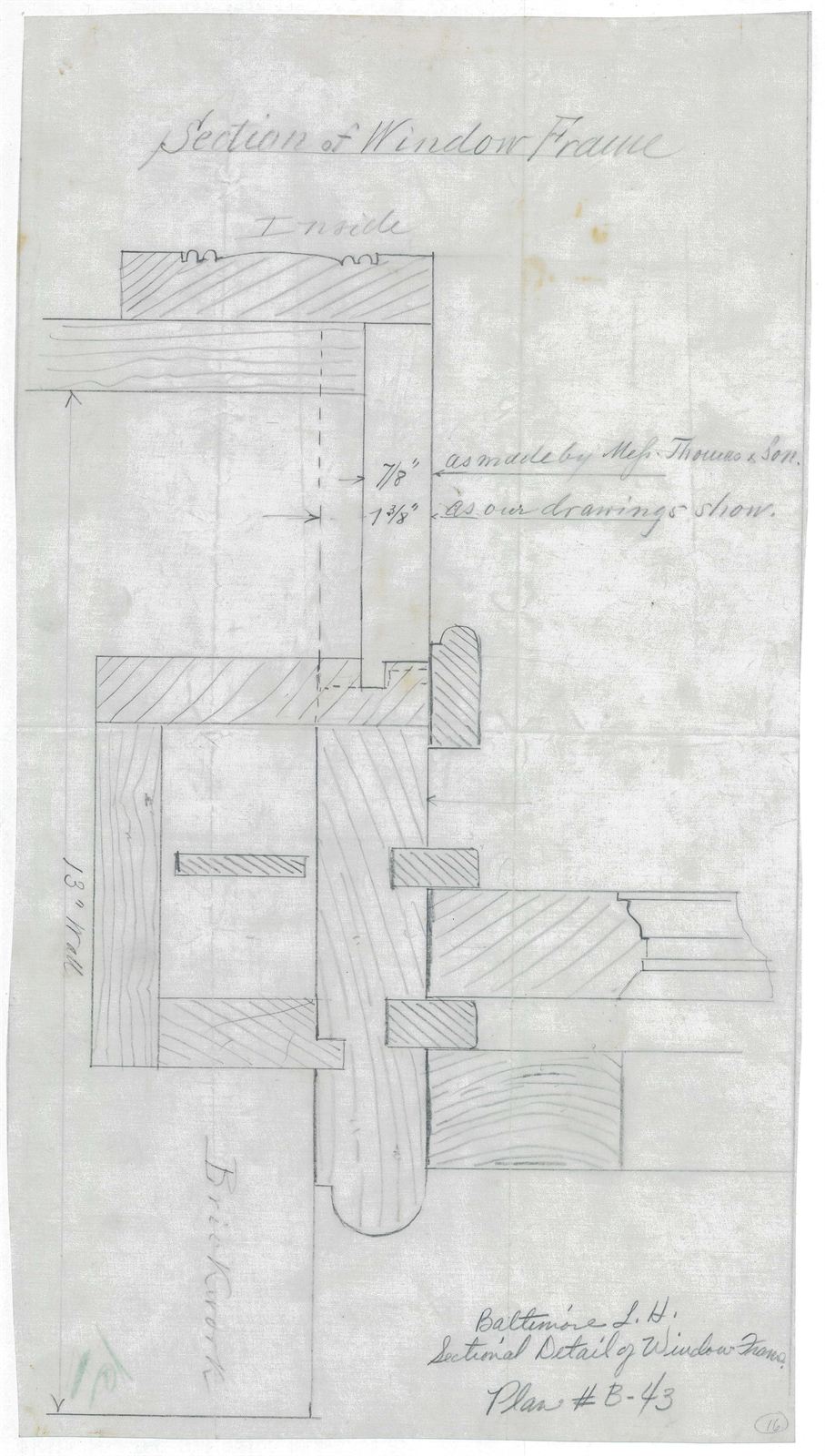
- Wikimedia Commons: Section of Window Frame, Baltimore Lighthouse - DPLA - 0d848497370d0df5cf50c94cc9e88b3d.jpg, by U.S. Coast Guard, Department of Transportation (Public domain), https://commons.wikimedia.org/wiki/File:Section_of_Window_Frame,_Baltimore_Lighthouse_-_DPLA_-_0d848497370d0df5cf50c94cc9e88b3d.jpg