Defensible Space
Summary
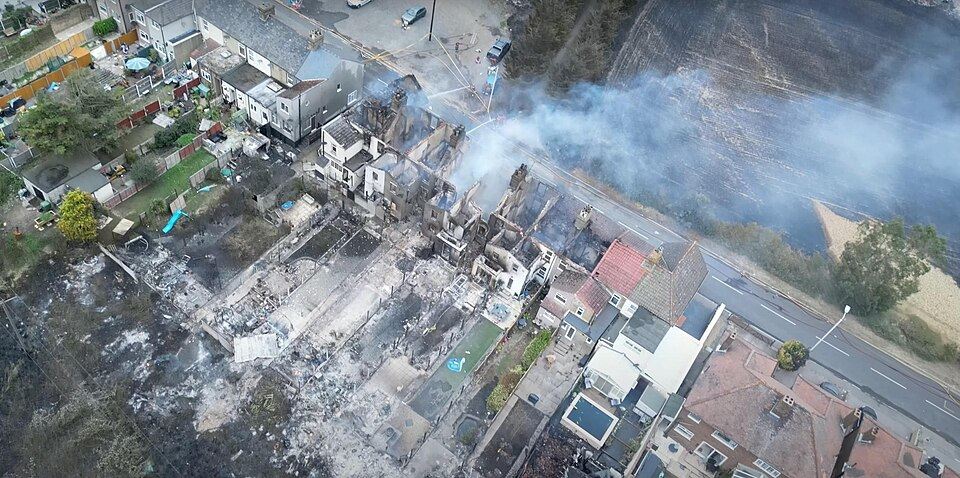
Defensible space is a buffer of managed vegetation and noncombustible surfaces around a building, organized into zones by distance from the structure. Zone 0 next to the walls is where embers ignite buildings, so it gets the strictest treatment and its legal status must be checked for the jurisdiction.
Cols
Types
- Zone 0 (0 to 5 ft), ember-resistant zone: noncombustible surfaces such as gravel, concrete, or pavers; remove mulch, firewood, and combustible fencing
- Zone 1 (5 to 30 ft), lean, clean, and green: remove dead vegetation and debris and space shrubs and trees
- Zone 2 (30 to 100 ft): reduced-fuel zone, extending to 100 ft or the property line, whichever is closer
Detailing
- Replace combustible fencing and gates, especially where they attach to the building
- Zone 0 is also called the immediate zone, zero zone, or noncombustible zone in different programs
Coordination
- Legal status: sources disagree on when Zone 0 applies to existing and new homes; check current state and local rules
- Local ordinances: local requirements can be stricter than state rules
Sources
- California Department of Forestry and Fire Protection: Ready for Wildfire, defensible space, https://www.readyforwildfire.org/prepare-for-wildfire/defensible-space
- Fire Safe Marin: defensible space zones, https://firesafemarin.org/create-a-fire-smart-yard/defensible-space/defensible-space-zones/
- Wikimedia Commons: Harrison Healey Wennington wildfire image looking northwest at houses south of the road.jpg, by Harrison Healey (CC BY 3.0), https://commons.wikimedia.org/wiki/File:Harrison_Healey_Wennington_wildfire_image_looking_northwest_at_houses_south_of_the_road.jpg