Softwood
Summary
Softwood is wood from gymnosperm trees (conifers), which lack vessels and often have resin canals, and supplies about 70 percent of the world's annual lumber. It is the main framing and sheathing material, so species group, grade, and decay resistance determine structural capacity and exterior durability.
Cols
Terminology
- Gymnosperm / conifer: non-flowering seed plants; softwood source
- Resin canals: present in pines, spruces, larches, and false tsugas
- SPF: spruce-pine-fir, a commodity lumber group sold together
- Southern yellow pine (SYP): loblolly, longleaf, shortleaf, and slash pines
- Dimension lumber: nominal 2x framing; a 2x4 is at least 1-1/2 by 3-1/2 in. dressed
- Janka hardness: force in lbf to embed an 11.28 mm (7/16 in.) steel ball halfway into the wood
- Thujaplicins: natural fungicides in western red cedar heartwood
- Pitch pocket: resin pocket that can ooze in wood that is not kiln dried
History and demand
First uses in construction
- Eastern white pine framed dwellings, barns, and fences in the 19th century and was a common flooring before the Civil War; its tendency to cup led George Washington to choose southern yellow pine at Mount Vernon
Sourcing
- Softwood supplies about 70 percent of the world's annual lumber (the Lumber article gives about 80 percent); major producers are the United States, Canada, Russia, China, Germany, and Scandinavia
Demand trend
- Southern yellow pine dimensional lumber and plywood are used extensively in United States home construction
- Chicago Mercantile Exchange random-length lumber futures specify Western SPF 2x4s in lengths of 8 to 20 ft (2.4 to 6.1 m)
Composition and production
Raw materials
- Mostly tracheid cells without vessels; cellulose, hemicellulose, and lignin; more extractives than hardwoods
Product forms
Grades and types
| Species | Janka (lbf) | Density | Typical building uses |
|---|---|---|---|
| Douglas fir | 660 | — | Timber frames, heavy timber, trusses, joinery, doors, veneer, flooring; strong, available in lengths to 60 ft; paint adheres well |
| Southern yellow pine, longleaf | 870 | — | Joinery, flooring, decking, dimension lumber, plywood, utility poles |
| Southern yellow pine, loblolly and shortleaf | 690 | Shortleaf 35 lb/ft³; pressure-treated 50 to 55 lb/ft³ | Dimension lumber, plywood, utility poles |
| Eastern white pine | 380 | — | Timber frames, paneling, furniture; soft and easily worked, takes paint and stain, little rot resistance, floors cup |
| Western red cedar | 350 | 390 to 400 kg/m³ (24 to 25 lb/ft³) dried | Posts, decking, shingles, siding; high natural decay resistance |
| Western hemlock | 500 | — | Doors, joinery, furniture |
| Western white pine | 420 | — | — |
| Radiata pine | 710 | — | — |
| Coast redwood | — | Light | Railroad ties, trestles, exterior finish; highly rot resistant, low resin |
| Larch | — | — | Cladding, boats |
| European spruce | — | — | Construction, panelling, cladding |
| Lodgepole pine | — | — | Roofing, flooring, chipboard |
| Scots pine | — | — | Interior construction work |
Spruce-pine-fir groups
- Western SPF: white spruce, Engelmann spruce, lodgepole pine, and alpine fir; grows faster and larger
- Eastern SPF: black spruce, red spruce, white spruce, jack pine, and balsam fir; generally stronger
Properties
Physical
- Density: Western red cedar 390 to 400 kg/m³ dried; shortleaf pine 35 lb/ft³; pressure-treated southern yellow pine 50 to 55 lb/ft³ (treated wood carries preservative)
Mechanical
- Hardness: Janka values in the table range from 350 lbf (western red cedar) to 870 lbf (longleaf pine); softwoods are not always softer than hardwoods (longleaf pine, Douglas fir, and yew are harder than several hardwoods)
Durability
- Decay: western red cedar and coast redwood are highly decay resistant; eastern white pine has little rot resistance and suits dry conditions
- Fire: coast redwood has little resin, linked to its fire resistance
Standards
Material specifications
- DOC PS 20: lumber grading
- American Lumber Standard: dimension, grade, and moisture specifications with inspection (American Lumber Standard Committee)
Uses in buildings
Building elements
- Wood-Framed Walls, Wood-Framed Floors, Wood Trusses: studs, plates, joists, and truss chords and webs
- Wood I-Joists, Glulam Beams: flanges and laminations
- Mass Timber Walls: lumber layers in cross-laminated panels
- Wall Cladding, Exterior Decking: cedar and redwood siding, shingles, and decking
Pros and cons
Pros
- Supplies about 70 percent of the world's lumber
- Douglas fir available in lengths up to 60 ft
- Cedar and redwood resist decay without treatment
Cons
- Eastern white pine is not especially strong; timbers must be oversized, and its floors cup
- Pitch pockets ooze resin in wood that is not kiln dried
- Janka hardness runs low (350 to 870 lbf in the species above)
Manufacturing and cost
Main manufacturers and suppliers
Trade associations: Western Wood Products Association; Southern Pine Council; American Wood Council; APA.
Sources
- Wikipedia: Softwood, https://en.wikipedia.org/wiki/Softwood
- Wikipedia: Janka hardness test, https://en.wikipedia.org/wiki/Janka_hardness_test
- Wikipedia: Douglas fir, https://en.wikipedia.org/wiki/Douglas_fir
- Wikipedia: Southern yellow pine, https://en.wikipedia.org/wiki/Southern_yellow_pine
- Wikipedia: Thuja plicata, https://en.wikipedia.org/wiki/Thuja_plicata
- Wikipedia: Spruce-pine-fir, https://en.wikipedia.org/wiki/Spruce-pine-fir
- Wikipedia: Pinus strobus, https://en.wikipedia.org/wiki/Pinus_strobus
- Wikipedia: Tsuga heterophylla, https://en.wikipedia.org/wiki/Tsuga_heterophylla
- Wikipedia: Sequoia sempervirens, https://en.wikipedia.org/wiki/Sequoia_sempervirens
- Wikipedia: Lumber, https://en.wikipedia.org/wiki/Lumber
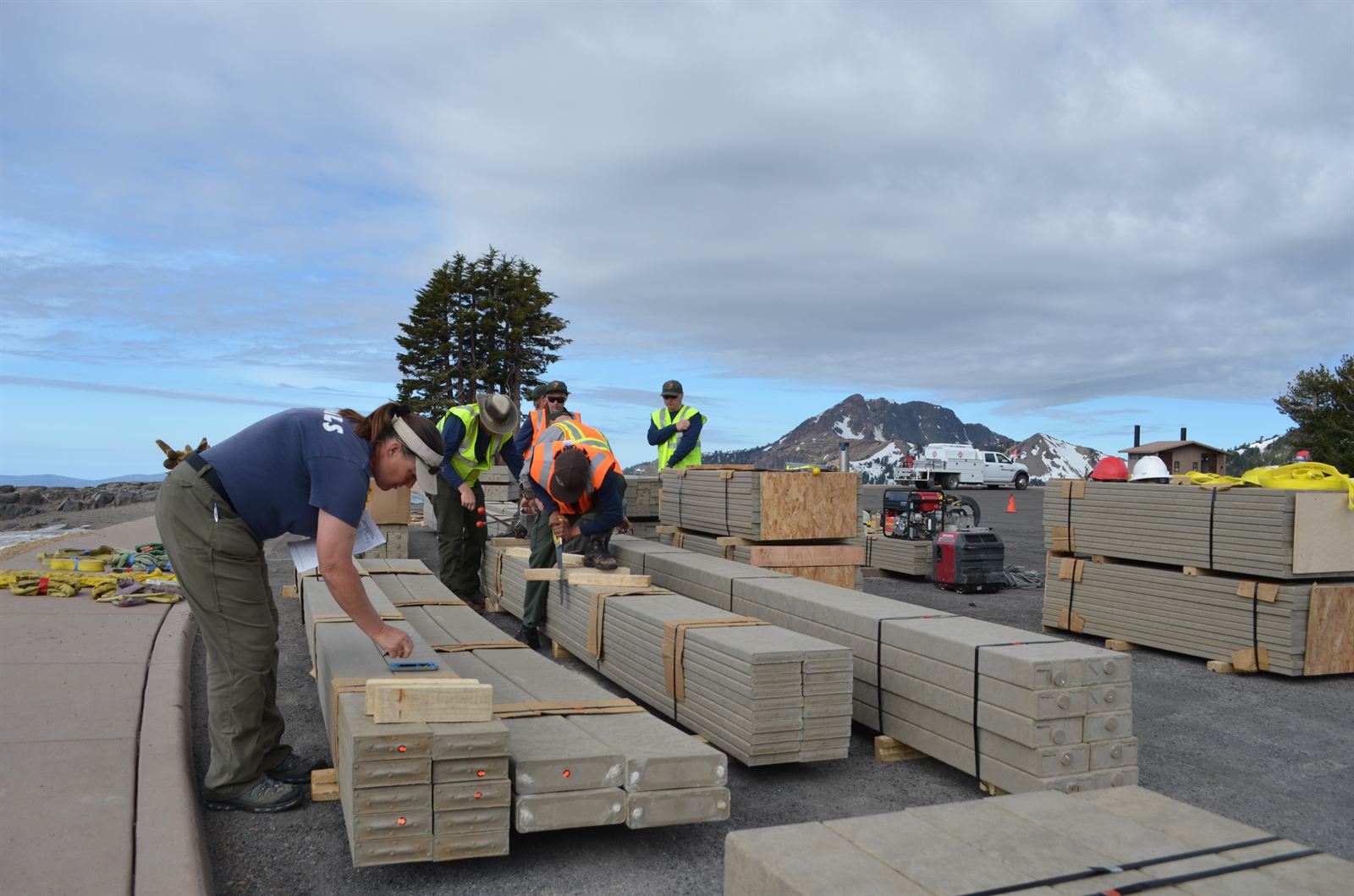
- Wikimedia Commons: Lassen Trail Crew members prepare load of the recycled lumber for helicopter transportation into the Bumpass Hell Basin. (bb381779-9b1f-476e-a5cc-b247b3864949).jpg, photo by Amanda Sweeney (Public domain), https://commons.wikimedia.org/wiki/File:Lassen_Trail_Crew_members_prepare_load_of_the_recycled_lumber_for_helicopter_transportation_into_the_Bumpass_Hell_Basin._(bb381779-9b1f-476e-a5cc-b247b3864949).jpg