Vinyl Windows
Summary
Vinyl windows have multi-chambered, extruded PVC frames and sashes with fusion-welded corners, sometimes reinforced with steel or aluminum, glazed with insulating glass. They are the lowest-cost energy-efficient window and dominate housing, but thermal movement, dark colors, size limits, and combustibility limit their use on larger or commercial buildings.
Cols
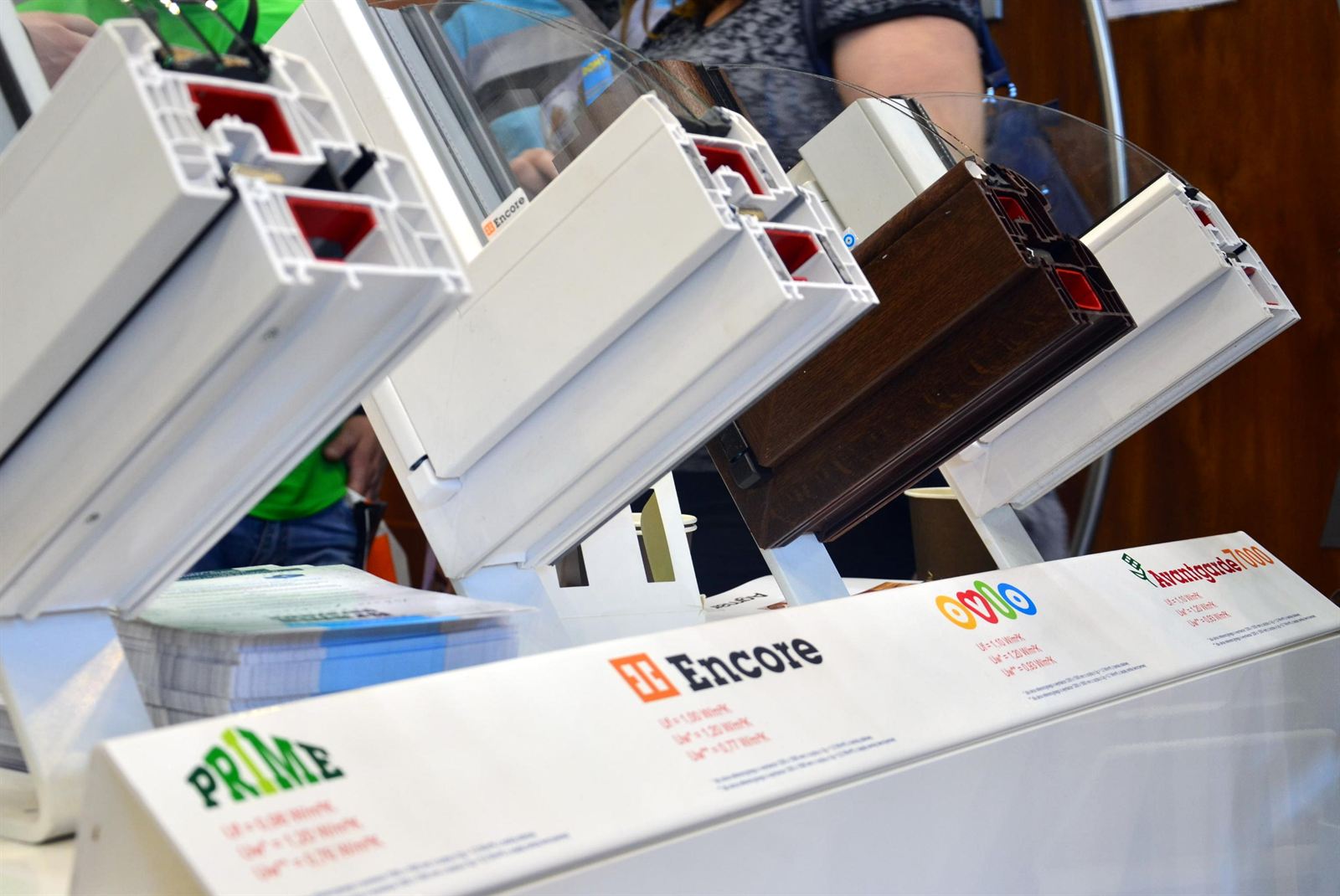
Terminology
- PVC / uPVC: polyvinyl chloride; unplasticized rigid vinyl for profiles
- Multi-chamber profile: hollow extrusion with internal walls for stiffness and insulation
- Fusion welding: heat-welded mitered corners
- Mechanical joints: screwed corners; less common
- Reinforcement: steel or aluminum inserts in large sashes and meeting rails
- Foam-filled frames: chambers filled with insulation for lower U-factors
- Capstock / laminate: colored or woodgrain exterior layer; dark colors use heat-reflective formulations
- Nailing fin: integral flange for new construction
- Replacement insert / pocket window: frame installed inside an existing frame
Standards
Ratings
- NAFS class: R and LC typical; some lines reach CW
- Thermal movement: vinyl expands and contracts much more than glass, fiberglass, or wood; long dark frames move the most
- Dark colors: limited to manufacturer-approved laminates or formulations; field painting can void warranties
Test standards
- AAMA/WDMA/CSA 101/I.S.2/A440 (NAFS-22)
- AAMA 303 (303-23 current): rigid PVC exterior profiles
- NFRC 100, 200, and 400
Materials
- Standard white or tan vinyl: lowest cost and least thermal movement
- Colored capstock and laminates: dark and woodgrain exteriors
- Reinforced profiles: large units and high design pressure
- Glazing: low-E double glazing standard; triple glazing in cold climates
Detailing
- Allow sealant joints for frame movement; avoid rigid fastening that restrains expansion
- Use sill pans and integrate nailing fins with the WRB in shingle fashion
- Check size limits for each operating type and color; large or dark units may need reinforcement or another material
- Confirm combustible window allowances for the construction type and building height
Uses
Specific uses
- Single-family and production housing
- Low- and mid-rise multifamily
- Replacement windows in existing homes
- Affordable housing with energy targets
- Light commercial with residential-scale openings
Pros and cons
Pros
- Lowest cost per window
- Good thermal performance; no painting
- Welded corners resist air and water leakage
- Wide availability and short lead times
Cons
- High thermal movement; issues on large and dark-colored units
- Bulkier frames and sashes than aluminum or fiberglass
- Limited structural capacity for large sizes or high design pressures
- Combustible; restricted on some commercial and high-rise buildings
Manufacturing and cost
Construction
- PVC compound extruded into profiles; cut, mitered, and fusion welded
- Reinforcement inserted, hardware installed, IGUs glazed with tape or gaskets
Main manufacturers and suppliers
Trade associations: Fenestration and Glazing Industry Alliance and National Fenestration Rating Council.
Typical costs
- Vinyl window, installed: $300 to $1,600 per window, most units $800 to $1,600 for quality replacement lines
- Frame and sash only: about $150 to $400 per window
Sources
- Pella: replacement window cost by material, 2026, https://www.pella.com/ideas/windows/replacement-window-cost/
- Inspect and Test: vinyl vs. fiberglass windows, https://inspectandtest.net/guides/vinyl-vs-fiberglass-windows/
- Milgard: vinyl vs. fiberglass windows, https://www.milgard.com/blog/vinyl-vs-fiberglass-windows
- Oknoplast: window cost by material, https://oknoplast.us/?p=25119
- Sweets: 08 00 00 openings, https://sweets.construction.com/masterformat/companies/08-00-00-openings
- Wikimedia Commons: Vinyl window frame 0802.JPG, by Silar (CC BY-SA 4.0), https://commons.wikimedia.org/wiki/File:Vinyl_window_frame_0802.JPG