Double-Hung Windows
Summary
Double-hung windows have two sashes that slide vertically past each other on balances, with a meeting rail at mid-height; single-hung versions have a fixed upper sash. They fit traditional facades and do not project, but sliding seals leak more than compression seals, and only about half the unit opens, which limits ventilation and egress.
Cols
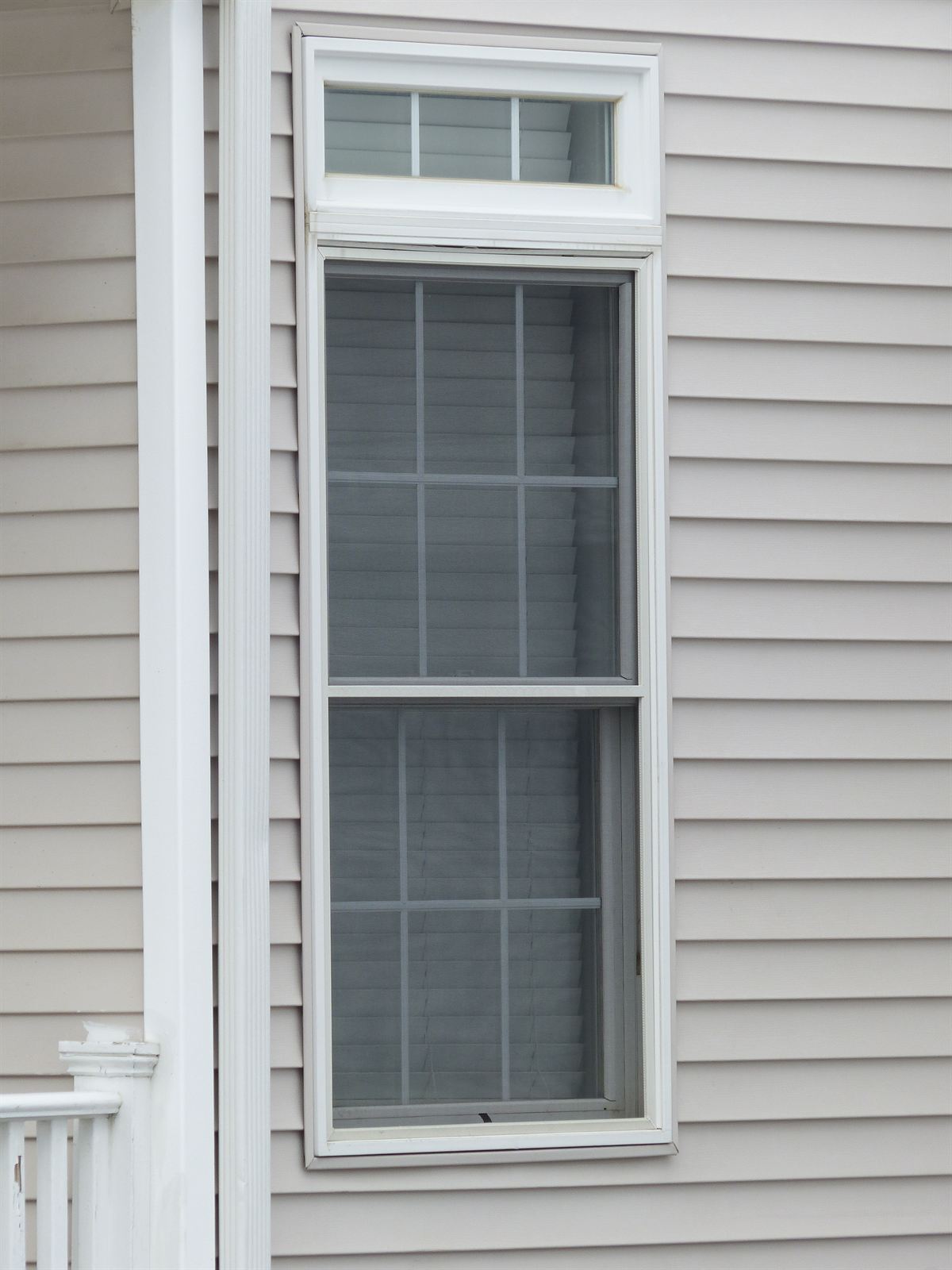
Terminology
- Upper and lower sash: the two sliding panels; both operate in double-hung, only the lower in single-hung
- Meeting rail (check rail): horizontal rails where the sashes overlap and lock
- Balance: spring, block-and-tackle, or constant-force coil that holds the sash in position
- Weights and pulleys: traditional counterbalance in historic sash windows
- Tilt sash: sash that tilts in for cleaning
- Sash lock: cam lock at the meeting rail; pulls rails together to seal
- Jamb liner: vinyl or metal track in the jamb that guides the sash and carries weatherstrip
- Sliding seal: brush or bulb weatherstrip that the sash slides against
- Simulated divided lites (SDL): bars applied to both faces of the glass with a spacer between panes
- Grilles between the glass (GBG): muntins inside the IGU
- Hung commercial window: heavy aluminum hung units rated CW or AW for schools and historic replacement
- Sash limiter: stop that limits the lower sash opening for fall protection
Standards
Sizes
- Clear opening is less than half the frame area; check egress sizes against the manufacturer's net clear opening tables
- Tall units need heavier balances; balance capacity limits sash size and glass weight
- Historic replacement often requires custom sizes and matched sightlines
Ratings
- NAFS class: R and LC common residential; CW and AW in commercial aluminum hung lines
- Air leakage: higher than casements and awnings because of sliding seals; single-hung leaks less than double-hung
- Design pressure: limited by meeting rail and sash stiffness on large units
Test standards
- AAMA/WDMA/CSA 101/I.S.2/A440 (NAFS-22): including operating force
- ASTM E283, E331, E330
- NFRC 100, 200, and 400
- ASTM F2090: sash limiters and window opening control devices
Materials
- Vinyl: most common residential double-hung
- Fiberglass: stiffer sashes and narrower frames than vinyl
- Wood and clad wood: historic districts and traditional design
- Aluminum, thermally broken: commercial and institutional hung windows
- Glass: low-E IGUs; laminated for sound control on busy streets
Detailing
- Use sash limiters or opening control devices on upper floors with low sills
- Check egress clear opening early; double-hungs often need to be larger than casements for the same egress
- Match historic sightlines, meeting rail heights, and muntin profiles where required
- Provide exterior screens on the half that opens, or full screens
- Flash and integrate with the WRB; replacement inserts need careful sealing to the old frame
Uses
Specific uses
- Traditional houses and multifamily facades
- Historic window replacement in landmark buildings
- Schools and dormitories (commercial hung units with limiters)
- Rooms opening onto walkways, porches, or decks where a projecting sash is a hazard
- Window air conditioner locations in older housing
Pros and cons
Pros
- Traditional appearance suited to historic districts
- Sash does not project into exterior or interior space
- Top-and-bottom ventilation possible in double-hung
- Tilt sashes make cleaning easy from inside
Cons
- Higher air leakage than compression-seal windows
- Only about half the unit opens; larger unit needed for egress
- Balances wear and need adjustment or replacement
- Meeting rail interrupts the view
Manufacturing and cost
Construction
- Frame with jamb liners or tracks; sashes glazed and fitted with balances, locks, and weatherstrip
- Shipped with nailing fins for new construction or as pocket replacement inserts
Main manufacturers and suppliers
Trade associations: Fenestration and Glazing Industry Alliance and Window and Door Manufacturers Association.
Typical costs
- Residential double-hung, installed: $500 to $1,100 per window
- Vinyl double-hung from about $600 to $900 installed; wood and clad units higher
Sources
- Fixr: window installation cost breakdown, https://www.fixr.com/articles/window-installation-cost-a-detailed-breakdown
- Homeyou: window cost, https://www.homeyou.com/windows-cost
- Green Building Advisor: single- vs. double-hung sealing, https://www.greenbuildingadvisor.com/question/single-vs-double-hung-window-ee
- Ecoline Windows: hung windows pros and cons, https://ecolinewindows.ca/hung-windows-pros-and-cons
- FGIA: NAFS-22, https://store.fgiaonline.org/101/I.S.2/A440-22/
- Wikimedia Commons: Modern Double Hung Window 01.jpg, by Stilfehler (CC BY-SA 4.0), https://commons.wikimedia.org/wiki/File:Modern_Double_Hung_Window_01.jpg